The Strategic Significance of the Strait of Hormuz
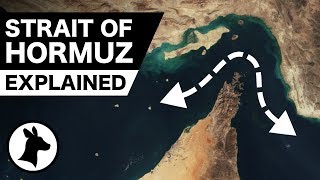
The Strait of Hormuz is widely recognized as the world's most critical maritime chokepoint for global energy supplies. Stretching between Oman and Iran, this narrow waterway connects the Persian Gulf with the Gulf of Oman and the Arabian Sea. While it may appear as a modest stretch of water on a map, its role in the global economy is immense, serving as the primary exit route for the vast majority of crude oil and liquefied natural gas produced by major Middle Eastern exporters.
A Central Hub for Global Energy Flows
The importance of the Strait of Hormuz stems from the concentration of energy resources located in the Persian Gulf. Several of the world’s largest oil-producing nations, including Saudi Arabia, Iraq, Kuwait, the United Arab Emirates, and Qatar, rely on this passage to transport their output to international markets. Because these countries possess a significant portion of the world's proven oil reserves, any disruption to the flow of tankers through this narrow channel creates immediate volatility in global energy prices.
On a daily basis, tens of millions of barrels of oil transit through the Strait. This volume accounts for a substantial percentage of the total petroleum traded globally via sea routes. Furthermore, the Strait is a vital artery for the transportation of liquefied natural gas, particularly from Qatar, which ranks among the world’s leading exporters. For many nations in Asia—most notably China, Japan, South Korea, and India—the Strait of Hormuz represents an essential lifeline that fuels their industrial growth and domestic energy needs.
The Geopolitical and Economic Implications
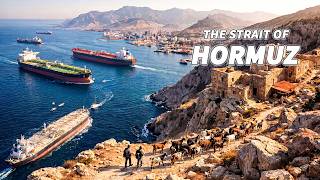
The narrow width of the Strait, which at its tightest point is only about 21 miles wide, makes it a focus of intense geopolitical attention. Shipping lanes within the channel are relatively restricted, requiring large oil tankers to navigate through designated transit corridors. This physical limitation means that the waterway is highly susceptible to regional tensions, military posturing, and maritime security incidents. Because the global oil market is highly sensitive to supply chain security, any perception of instability in the region can lead to immediate spikes in oil prices, affecting economies far beyond the Middle East.
Energy security strategies for many importing nations are often built around the assumption that the Strait will remain open and accessible. Governments worldwide monitor the region closely, as a prolonged closure or significant restriction of traffic would force oil producers to seek alternative, often more expensive and time-consuming, export routes. However, there are very few viable alternatives to the Strait of Hormuz. While some pipelines exist to bypass the waterway, they have limited capacity compared to the massive volume of oil moved by sea, making them insufficient to replace the Strait in the event of a major disruption.
Navigational Challenges and International Oversight
Safe passage through the Strait requires constant coordination and adherence to international maritime laws. Given the high density of tanker traffic, including some of the largest vessels afloat, the risk of collisions or environmental accidents is a constant concern. Navigational safety is managed through complex international frameworks that ensure vessels can transit without interfering with the sovereign rights of the bordering nations. The presence of international naval forces in the region is often justified by the need to maintain freedom of navigation, ensuring that the global flow of energy remains uninterrupted.
The reliance on this single maritime corridor underscores the interconnected nature of the modern global economy. When energy supplies are threatened in the Strait, the ripple effects are felt across global stock markets, transport sectors, and manufacturing industries. The price of fuel at the pump for the average consumer is, in many ways, tethered to the free passage of tankers through this specific geographic bottleneck.
Future Outlook on Energy Transit
As the world continues to rely on petroleum and natural gas to meet its energy demands, the strategic importance of the Strait of Hormuz is unlikely to diminish in the near term. Even as countries diversify their energy portfolios toward renewable sources, the transition period ensures that hydrocarbons will remain a cornerstone of global trade for years to come. Consequently, the Strait will continue to serve as a focal point for international diplomacy and security policy.
In conclusion, the Strait of Hormuz is not merely a geographic feature but a vital piece of global infrastructure. Its status as