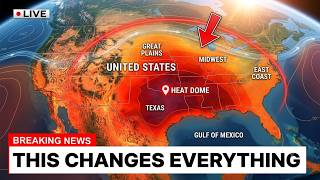
Why Some U.S. Regions Rarely Receive Extreme Heat Warnings
Extreme heat warnings are a common concern in many parts of the United States, particularly in the Southwest and Southeast. However, some regions experience these alerts far less frequently. Understanding the reasons behind this variation can help explain why certain areas remain cooler or more temperate during the hottest months of the year.
Geographic and Climatic Influences
One of the primary factors determining whether a region receives extreme heat warnings is its geographic location and climate. Coastal areas, for example, often benefit from the moderating effects of nearby ocean waters. The Pacific Northwest, including parts of Washington and Oregon, rarely faces extreme heat due to the cool marine layer that blankets the region. This layer acts as a natural air conditioner, keeping temperatures from rising to dangerous levels.
Similarly, regions near large bodies of water, such as the Great Lakes, experience milder summers. The lakes absorb heat slowly and release it gradually, which helps regulate air temperatures. This phenomenon, known as the "lake effect," can prevent extreme heat from taking hold in nearby cities like Buffalo, New York, or Duluth, Minnesota.
The Role of Elevation
Elevation plays a significant role in temperature regulation. Higher-altitude regions, such as the Rocky Mountains or the Appalachian Mountains, tend to have cooler summers. As air rises, it expands and cools, which can prevent extreme heat from developing. Cities like Denver, Colorado, or Asheville, North Carolina, may experience warm days, but the overall temperatures rarely reach the thresholds that trigger extreme heat warnings.
In contrast, low-lying areas, particularly those in desert regions like Arizona or Nevada, are more prone to intense heat. Without the cooling effects of elevation or nearby water, these areas can see temperatures soar to dangerous levels, prompting frequent heat advisories.
Atmospheric Patterns and Jet Streams
The movement of atmospheric patterns and jet streams also influences whether a region experiences extreme heat. The jet stream, a fast-moving river of air high in the atmosphere, can steer weather systems and determine where heat waves develop. When the jet stream dips southward, it can block hot air from reaching certain regions, keeping temperatures more moderate.
For example, the Northeast and parts of the Midwest often avoid extreme heat when the jet stream shifts to create a cooler, more stable weather pattern. Conversely, when the jet stream moves northward, it can allow hot air from the south to surge into areas that typically remain cooler, leading to temporary spikes in temperature.
Urban Heat Island Effect
While urban areas are generally more prone to heat due to the "urban heat island" effect—where concrete, asphalt, and buildings absorb and retain heat—some cities manage to avoid extreme heat warnings. This can occur when urban areas are located in regions with naturally cooler climates or when green spaces and water bodies help mitigate rising temperatures.
Cities like Seattle, Washington, or Portland, Oregon, benefit from their proximity to the Pacific Ocean and surrounding forests. These natural features help counteract the heat generated by urban development, reducing the likelihood of extreme heat warnings. In contrast, cities in desert regions, such as Phoenix, Arizona, lack these cooling influences and often face prolonged periods of extreme heat.
Seasonal and Long-Term Climate Trends
Seasonal variations and long-term climate trends also play a role in how often regions receive extreme heat warnings. Some areas, particularly in the northern U.S., have shorter summers with fewer opportunities for extreme heat to develop. For instance, parts of Minnesota, Wisconsin, and Michigan may experience warm days, but the overall climate remains too cool for frequent heat advisories.
Additionally, climate change is altering weather patterns, leading to more frequent and intense heat waves in some regions. However, areas that historically avoided extreme heat may continue to do so due to their geographic and climatic advantages. For example, the Pacific Northwest has seen record-breaking temperatures in recent years, but these events remain rare compared to regions like the Southwest.