Who Are the Top 10 Viruses That Shaped Human History?
Coming off of a global pandemic, you might be wondering what some of the deadliest diseases in human history have been. Viral infections may be tiny, but as 2020 has reminded us, they can be big trouble. Below we explore the ten viruses that have caused the greatest loss of life, triggered social upheaval, or left a lasting scientific legacy.
Why a “Top 10” List?
Ranking pathogens is always partly subjective, but the selection criteria are clear: documented mortality, geographic spread, and lasting impact on public health policy. The list includes both ancient scourges and modern threats, offering a perspective on how humanity has learned to fight the invisible enemy.
The Ranking
- Variola virus (Smallpox) – Smallpox killed an estimated 300 million people in the 20th century alone. A worldwide vaccination campaign led by the World Health Organization (WHO) eradicated the disease in 1980, making it the first human pathogen eliminated from nature.
- Influenza A (H1N1) – 1918 “Spanish Flu” – This pandemic infected about one‑third of the global population and caused roughly 50 million deaths within a year. Its rapid spread was facilitated by troop movements after World I.
- HIV‑1 (Human Immunodeficiency Virus) – Since its identification in the early 1980s, HIV has claimed more than 32 million lives. Antiretroviral therapy has turned HIV into a chronic condition for many, but the virus remains a major global health challenge.
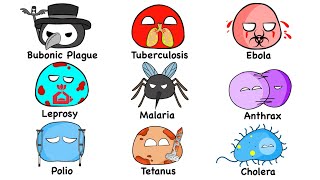
- Plague bacterium (Yersinia pestis) – Not a virus, but its viral‑like spread – The “Black Death” of the 14th century, driven by flea‑borne bacteria, killed an estimated 75‑200 million people. Its inclusion highlights how disease vectors can amplify viral threats.
- Hepatitis B virus (HBV) – Chronic HBV infection leads to liver cirrhosis and cancer, responsible for over 800 000 deaths each year worldwide.
- Measles virus – Before widespread vaccination, measles caused an estimated 10 million deaths per year. The disease remains a leading cause of child mortality where immunization rates fall.
- Rabies virus – Though preventable with post‑exposure prophylaxis, rabies still kills an estimated 59 000 people annually, primarily in rural