Which US States Have Water Shortages? A State-by-State Look at the Growing Crisis
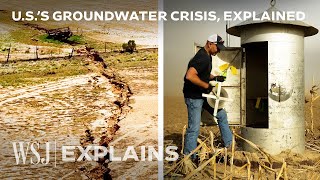
Water scarcity is no longer a niche concern limited to remote desert regions in the United States. Recent data shows 53% of America’s aquifers are drying up, leaving 27 million people across the country facing limited access to reliable, clean water supplies. Shortages are driven by a mix of prolonged drought, overuse of groundwater, population growth in arid regions, and the impacts of climate change, with impacts spreading far beyond the traditionally dry American West.
Western States With Chronic Water Shortages
The most well-documented water shortages are concentrated in the arid West, where states have grappled with limited supplies for decades. California tops the list, with recurring multi-year droughts depleting both surface water reserves and groundwater stores, putting pressure on the state’s massive agricultural sector and urban populations. Arizona faces ongoing cuts to its Colorado River allocation, with Lake Mead—the largest reservoir in the U.S.—sitting at historically low levels for years. Nevada, which relies heavily on the same reservoir to supply Las Vegas and surrounding communities, has implemented strict water conservation rules for new development as supplies dwindle. Utah, one of the fastest-growing states in the country, struggles to meet rising demand from new residents with its naturally limited surface water, leading to overpumping of local aquifers. Colorado, the headwaters state for the Colorado River, faces competition between growing Front Range cities, agricultural users, and downstream states for limited river flows. New Mexico, one of the driest states in the nation, has long dealt with water scarcity, with many rural communities relying on groundwater that is being depleted faster than it can naturally recharge.
Great Plains States Grappling With Falling Groundwater Levels
The Ogallala Aquifer, one of the largest groundwater sources in the world, spans parts of eight Great Plains states, and its declining levels are driving shortages across the region. In parts of the Texas Panhandle, western Kansas, and the Oklahoma Panhandle, the aquifer has dropped sharply since large-scale irrigation began in the mid-1900s, forcing farmers to abandon irrigation, switch to less water-intensive crops, or abandon farmland entirely. Small rural communities that rely on the aquifer for drinking water have also faced well dry-ups, requiring costly infrastructure upgrades to access deeper, lower-quality water sources. Even states like Nebraska and South Dakota, which sit atop the northern portion of the aquifer, are seeing localized shortages as pumping outpaces natural recharge rates.
Southeastern and Southern States Facing Emerging Water Pressures
While often associated with abundant rainfall, several southern and southeastern states are now facing growing water supply challenges. Florida’s coastal communities, including Miami-Dade and Fort Lauderdale, are dealing with saltwater intrusion into the Floridan Aquifer, the state’s primary source of drinking water. Overpumping of the aquifer to support urban growth and agriculture, combined with rising sea levels, has pushed saltwater into freshwater reserves, forcing some communities to invest in expensive desalination and water treatment infrastructure. In Georgia, recurring droughts have strained the Chattahoochee River basin, which supplies drinking water to millions of people in the Atlanta metro area and surrounding regions, leading to periodic water use restrictions and conflicts with neighboring states over river allocations. Parts of Alabama and Mississippi have also faced drought-related shortages in recent years, with low river levels limiting water supplies for both residential and agricultural use.
Impacts of State Water Shortages
Water shortages across these states have wide-reaching impacts for residents, farmers, and local economies. Households may face mandatory water use restrictions, higher monthly water bills, and in extreme cases, temporary disruptions to drinking water access. Farmers are often forced to reduce crop yields, switch to less profitable dryland farming, or abandon farmland entirely, which can drive up food prices for consumers across the country. Local governments are also under pressure to invest in water conservation programs, water recycling infrastructure, and new water storage projects to address long-term supply gaps, with costs often passed on to taxpayers.