What Would Happen If Iran Closes The Strait Of Hormuz
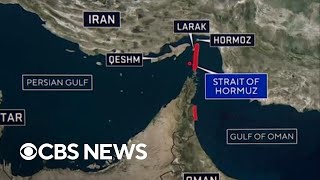
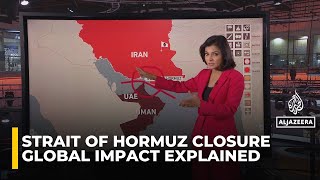
The Strait of Hormuz is one of the most strategically significant maritime chokepoints in the world. Located between Oman and Iran, it connects the Persian Gulf with the Gulf of Oman and the Arabian Sea. Because it serves as the primary artery for the export of oil and liquefied natural gas (LNG) from several major producing nations, any disruption to its flow would trigger immediate and severe global consequences.
The Immediate Impact on Global Energy Markets
The most direct result of a closure would be a massive spike in global crude oil prices. A significant percentage of the world's total seaborne oil passes through this narrow waterway daily. If Iran were to block the strait—whether through naval mines, warships, or physical barriers—the sudden removal of millions of barrels of oil per day from the global market would create a supply shock.
Energy markets react violently to uncertainty. Even the threat of a closure often leads to price volatility. An actual blockage would likely send oil prices to historic highs, increasing the cost of gasoline, heating oil, and jet fuel worldwide. This would not only affect consumers at the pump but would also increase operational costs for shipping, aviation, and manufacturing industries.
Economic Ripple Effects and Inflation
The surge in energy costs would act as a catalyst for global inflation. Because oil is a primary input for the production and transport of almost every physical good, the cost of everything from groceries to consumer electronics would rise. Central banks, already struggling to balance inflation and growth, would face a dilemma: raise interest rates to combat inflation, potentially triggering a recession, or allow inflation to climb while hoping for a diplomatic resolution.
Developing nations would be hit hardest. While wealthy economies have more diversified energy portfolios and strategic reserves, poorer nations that rely heavily on imported oil would face severe energy poverty, potentially leading to social unrest and political instability.
Geopolitical and Military Escalation
A closure of the Strait of Hormuz would likely be viewed as an act of war or a critical threat to international security. The international community, led by major powers and regional allies, would likely respond with a combination of diplomatic pressure and military action.
- Naval Intervention: The United States and its allies would likely deploy naval task forces to escort commercial tankers and attempt to clear the waterway. This could lead to direct military engagements between international coalitions and Iranian forces.
- Strategic Reserves: Major economies would release oil from their Strategic Petroleum Reserves (SPR) to mitigate the immediate shortage and stabilize prices. However, these reserves are finite and intended for short-term relief.
- Alternative Routes: While some pipelines exist to bypass the strait—such as those in Saudi Arabia and the UAE—they lack the capacity to handle the total volume of oil that normally flows through the waterway.
The Risks for Iran
While closing the strait provides Iran with significant leverage, it is a high-risk strategy. Iran itself relies on the waterway for its own exports and imports. A total blockage would effectively trap its own tankers in the Persian Gulf, cutting off its primary source of foreign currency revenue.
Furthermore, the resulting international backlash would likely include severe economic sanctions and a coordinated military response. The risk of regime destabilization or a full-scale conflict would outweigh the temporary benefit of manipulating oil prices.
Conclusion
The closure of the Strait of Hormuz would be a global economic catastrophe. The intersection of energy dependence and geopolitical tension makes this waterway a critical vulnerability in the global supply chain. While various nations are working to diversify their energy sources and build alternative infrastructure, the world remains heavily dependent on the stability of this narrow passage. In the event of a closure, the world would face a volatile mix of soaring prices, economic instability, and the very real possibility of a large-scale regional war.