What Percent of World Oil Passes Through the Strait of Hormuz?
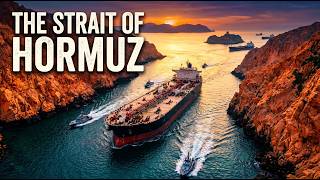
The Strait of Hormuz is widely regarded as the most critical choke point in the global energy infrastructure. Located between Oman and Iran, it connects the Persian Gulf with the Gulf of Oman and the Arabian Sea. For energy analysts, economists, and policymakers, the primary question is often: what percent of world oil passes through the Strait of Hormuz?
While the exact percentage fluctuates based on daily production levels and seasonal demand, it is generally estimated that approximately 20% to 30% of the world's total liquid petroleum consumption flows through this narrow waterway. In terms of volume, this typically translates to roughly 20 million barrels of oil per day (bpd).
The Strategic Importance of the Waterway
The significance of the Strait of Hormuz stems from the fact that it is the only sea exit for the oil-rich nations of the Persian Gulf. This includes major producers such as Saudi Arabia, Iraq, Kuwait, the United Arab Emirates, and Iran. Because these nations possess some of the largest proven oil reserves on Earth, the strait serves as the primary artery for transporting their crude oil to international markets.
The physical dimensions of the strait contribute to its vulnerability. At its narrowest point, the shipping lanes are only two miles wide in each direction, separated by a two-mile buffer zone. This concentration of traffic means that any disruption—whether caused by geopolitical conflict, technical accidents, or naval blockades—could have an immediate and drastic impact on the global supply chain.
Who Relies Most on Hormuz Oil?
While oil is a global commodity, the dependence on the Strait of Hormuz is not evenly distributed. A significant portion of the oil passing through the strait is destined for Asian markets. China, India, Japan, and South Korea are the primary importers of Gulf oil, utilizing these shipments to fuel their massive industrial sectors and growing populations.
For these nations, a closure or restriction of the strait would not just be an economic inconvenience; it would be a systemic threat to their energy security. While Western nations have diversified their energy sources more aggressively in recent years, the reliance of the East on this specific corridor remains profound.
Potential Alternatives and Bypass Pipelines
Given the risks associated with such a concentrated transit point, several Gulf nations have invested in bypass pipelines to reduce their reliance on the strait. These pipelines allow crude oil to be transported overland to ports on the Red Sea or the Gulf of Oman, bypassing the narrow waters of Hormuz entirely.
- Saudi Arabia: The kingdom has developed pipelines that move oil east to the Red Sea, allowing some shipments to avoid the strait.
- United Arab Emirates: The UAE has invested in pipelines that transport oil from the fields in Abu Dhabi to the port of Fujairah on the eastern coast.
However, these alternatives are limited in capacity. The total volume that can be moved via pipelines is only a fraction of the 20 million barrels that flow through the strait daily. Even if every available pipeline were operating at maximum capacity, a full closure of the Strait of Hormuz would still result in a massive deficit in the global oil supply.
The Economic Impact of a Disruption
Because oil markets are driven by anticipation and risk, the mere threat of a disruption in the Strait of Hormuz often leads to price volatility. When tensions rise in the region, traders typically price in a "risk premium," causing the cost of a barrel of crude to rise even if the flow of oil remains uninterrupted.
In the event of a physical blockage, the result would likely be a sudden spike in global energy prices. This would lead to increased costs for gasoline, heating, and plastics, potentially triggering inflationary pressures across the global economy. The interdependence of modern trade means that a bottleneck in this single geographic point can affect the cost of living for consumers thousands of miles away.
Conclusion
The Strait of Hormuz remains an indispensable link in the global energy chain. With roughly one-fifth to nearly one-third