Defining the Nature of Psychological Horror
When audiences ask what is the scariest psychological horror movie, the answer is rarely a single title. Unlike slasher films that rely on physical threats or jump scares, psychological horror targets the viewer's sense of reality, morality, and sanity. It is a genre that thrives on the unseen, the uncertain, and the deeply personal. A truly terrifying psychological film does not just frighten you while you watch; it lingers in your mind long after the credits roll, forcing you to question your own perceptions of the world.
The Mastery of Atmosphere and Dread
The scariest psychological horror movies often share a common trait: they prioritize atmosphere over spectacle. By stripping away loud noises and overt gore, filmmakers force the audience to focus on the mental state of the characters. When a protagonist begins to lose their grip on reality, the audience is tethered to that descent. This creates a claustrophobic experience where the threat feels as though it is coming from within the viewer's own thoughts rather than an external monster.
Consider films that utilize the concept of the unreliable narrator. When you cannot trust the person telling the story, you cannot trust the environment they inhabit. This narrative technique turns the viewer into an active participant, constantly trying to piece together the truth while the film intentionally pulls the rug out from underneath them. It is this intellectual engagement that makes the fear feel so visceral.
Iconic Films That Define the Genre
Several movies are frequently cited as the pinnacle of the genre because they tap into primal human anxieties. One such film is The Shining. Stanley Kubrick’s masterpiece is a masterclass in isolation. By trapping a family in a vast, empty hotel during winter, the film explores the breakdown of the human mind under the weight of loneliness and supernatural influence. The horror is not just in the ghosts that may or may not be there; it is in the slow, agonizing transformation of a father into a threat to his own family.
Another contender for the title of the scariest psychological horror movie is The Silence of the Lambs. This film shifts the focus to the psychological interplay between the hunter and the hunted. By placing the protagonist in a room with a brilliant, manipulative sociopath, the movie forces the audience to confront the darkness that exists within human nature. The fear here is grounded in reality, making it infinitely more unsettling than a supernatural premise.
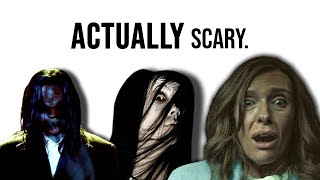
For those who prefer a more modern, existential approach, Hereditary stands out as a harrowing exploration of grief and ancestral trauma. It suggests that our greatest fears might be encoded in our very DNA, inescapable and inevitable. The film’s ability to weave domestic tragedy with psychological terror creates a viewing experience that is profoundly disturbing, often leaving viewers feeling emotionally exhausted.
Why We Seek Out Psychological Terror
It might seem counterintuitive to search for the scariest psychological horror movie, given that the genre is designed to provoke discomfort. However, there is a cathartic element to this type of media. Engaging with psychological horror allows us to confront our fears of losing control, mental illness, and isolation in a safe, controlled environment. It provides a way to explore the darker corners of the human condition without actually being at risk.
Furthermore, these films challenge our intellect. They often require the viewer to pay close attention to subtle visual cues, dialogue, and symbolism. When a movie respects the audience's intelligence, the payoff is much higher. We are not just being scared by a loud noise; we are being challenged to understand why something is scary. This intellectual stimulation is what separates a forgettable horror flick from a cinematic work that defines the genre for decades.
Finding Your Personal Threshold
Ultimately, determining the scariest psychological horror movie is a subjective exercise. Because psychological horror relies so heavily on the viewer's existing anxieties, what terrifies one person may leave another indifferent. Some may find films centered on the loss of identity most frightening, while others may be more affected by stories involving gaslighting or paranoia.
If you are looking to explore the genre, start by identifying which psychological triggers affect you the most. Do you fear the