Understanding Psychological Horror Cinema
When people search for the most psychologically scary movie, they are often looking for something far different from a typical horror film. They want a cinematic experience that lingers long after the credits roll, one that unsettles rather than simply startles. Psychological horror operates on a fundamentally different frequency than slashers or creature features. Instead of relying on blood, jump scares, or monsters under the bed, these films excavate fears that already exist within the viewer, tapping into anxieties about identity, reality, sanity, and loss of control.
The Science Behind Cinematic Dread
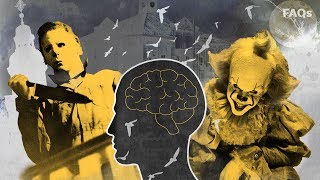
Psychological horror works because it exploits the way human brains process uncertainty and threat. Research into fear responses shows that the anticipation of danger can trigger the same neural pathways as the danger itself. Films that master this technique create a persistent low-grade tension that never quite resolves, keeping viewers in a state of hyperawareness. This is why a slow-burn narrative can sometimes feel more terrifying than an explosive climax. The brain fills in gaps with its own worst-case scenarios, making every shadow and silence feel loaded with meaning.
Films That Define the Genre
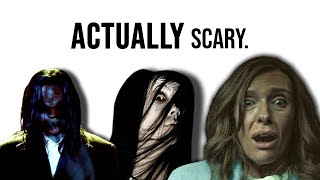
Certain titles have become reference points when discussing psychologically unsettling cinema. Films like The Shining explore the deterioration of family structures and the erosion of sanity within isolation. Hereditary examines grief, inherited trauma, and the fragility of familial bonds through an increasingly surreal lens. The Silence of the Lambs blurs the line between hunter and hunted, forcing viewers to sit uncomfortably close to understanding a killer's perspective. Midsommar uses bright daylight and communal rituals to subvert expectations of where horror lives, creating a sense of vulnerability that traditional darkness cannot achieve.
Repulsion, directed by Roman Polanski, remains a landmark study in depicting mental fragmentation on screen. The camera becomes increasingly unreliable alongside its protagonist, dissolving walls and invading personal space until reality itself feels porous. This approach influenced a generation of filmmakers who understood that the most terrifying landscapes are internal.
Why There Is No Single Answer
Asking what the most psychologically scary movie is ultimately leads to an individual question. Fear is deeply personal, shaped by childhood experiences, cultural background, and individual neurology. A film about the dissolution of memory might terrify one viewer while another finds domestic breakdown narratives deeply disturbing. What makes psychological horror particularly subjective is that it mirrors each person's unique vulnerabilities back at them.
Slasher films tend to generate more universal reactions because their threat structure is clearer and more external. A killer with a motive creates a narrative that is easier to process. Psychological horror refuses to provide that comfort. It removes the safety net of logical explanation and leaves viewers navigating ambiguous emotional terrain without a map.
Elements That Create Lasting Unease
The most effective psychological horror films share certain characteristics that set them apart from conventional scares. Sound design plays a crucial role, often using infrasound frequencies or dissonant audio textures that trigger subconscious discomfort. Visual composition may deliberately distort perspective or employ unsettling framing techniques that make viewers feel spatially unmoored. Narratives frequently deny closure, leaving threads unresolved and interpretations uncertain. This ambiguity is intentional, designed to occupy mental space well beyond the runtime of the film itself.
Character identification also matters enormously. When viewers connect deeply with protagonists whose perception of reality begins to fracture, the horror becomes immersive rather than observational. The boundary between watching someone lose their grip and feeling that slip yourself becomes dangerously thin.
Conclusion
The search for the most psychologically scary movie is less about finding an objective champion and more about understanding what makes the human mind susceptible to cinematic fear. These films succeed not by showing monsters but by revealing how fragile our sense of self and stability truly is. They demonstrate that the most terrifying thing a movie can do is make you question whether the world around you is real, whether the people closest to you are trustworthy, and whether your own mind can be fully relied upon.
Rather than ranking films against one another, a more useful approach might be to consider what kind of psychological terror resonates most personally. Whether it is the claustrophobia of The Shining, the familial collapse in Hereditary, or the dissociative horror of Repulsion, the answer to what makes a movie psychologically scary will always involve both the art on screen and the inner landscape of the person watching it.