What Is the Strait of Hormuz Named After? Exploring Its History
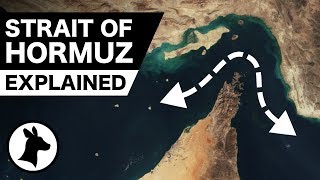
The Strait of Hormuz is one of the most strategically significant waterways in the world. Connecting the Persian Gulf with the Gulf of Oman and the Arabian Sea, it serves as the primary artery for the transport of global energy resources. To understand why this narrow passage is named the Strait of Hormuz, one must look toward the historical significance of the city and island that shared its name.
The Origins of the Name
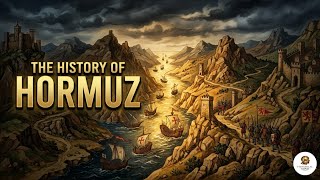
The strait is named after the city and island of Hormuz, which was once a dominant maritime powerhouse in the region. Historically, the island of Hormuz was a critical trading hub where merchants from India, China, East Africa, and Europe converged. The name "Hormuz" itself is rooted in the ancient trade networks of the Middle East, reflecting the island's role as the "gatekeeper" of the Persian Gulf.
During the medieval and early modern periods, the Kingdom of Hormuz controlled the flow of goods entering and exiting the Gulf. Because the city was the most prominent landmark and political authority in the immediate vicinity of the waterway, the narrow passage of water surrounding it naturally adopted the name of the city. Over time, as the city's political power waned, the name persisted as the official geographical designation for the entire strait.
A History of Strategic Control
The history of the Strait of Hormuz is defined by a constant struggle for control. Because the waterway is the only sea exit from the Persian Gulf, whoever controlled Hormuz controlled the wealth of the region. For centuries, the island was a center for the trade of spices, silk, and pearls.
In the early 16th century, the Portuguese Empire recognized the strategic value of the region. Under the leadership of Afonso de Albuquerque, the Portuguese seized control of Hormuz in 1515. By establishing a fortress on the island, they were able to tax trade and dominate the maritime routes between the East and West. This era marked the first time a European power exerted direct influence over the strait, shifting the balance of power in the Indian Ocean.
The Portuguese grip on the region lasted for over a century until the early 17th century, when a combined force of the Safavid Empire of Persia and the English East India Company successfully ousted them. This transition highlighted the enduring importance of the strait as a focal point for global geopolitical competition.
The Modern Significance of the Waterway
While the city of Hormuz is no longer the global trade capital it once was, the strait that bears its name is more important today than ever before. Its geography is characterized by its narrowness; at its tightest point, the strait is only about 21 miles wide. Despite this small physical footprint, it carries a staggering volume of the world's commodities.
- Energy Security: A significant portion of the world's oil and liquefied natural gas (LNG) passes through this corridor, making it vital for the energy stability of Asia and Europe.
- Agricultural Impact: Beyond fuel, the strait is a primary route for the shipment of global fertilizers, which are essential for international food production.
- Maritime Logistics: The strait serves as the primary exit point for several oil-producing nations, meaning any disruption in this narrow passage can lead to immediate fluctuations in global market prices.
Conclusion
The Strait of Hormuz is named after a lost era of maritime glory. The island of Hormuz once stood as a beacon of trade and a symbol of regional authority, drawing the attention of empires from across the globe. While the political structures of the 16th century have vanished, the geographical reality of the strait remains. It continues to be a critical chokepoint where history, geography, and global economics intersect, ensuring that the name Hormuz remains known to the entire world.