What Is Strait Of Hormuz Meaning History
The Strait of Hormuz is one of the most strategically significant maritime chokepoints in the world. Geographically, it serves as the sole sea passage connecting the Persian Gulf with the Gulf of Oman and the wider Arabian Sea. For global markets, it is not merely a waterway but a critical artery for the transport of energy and industrial resources.
Understanding the Meaning and Geography
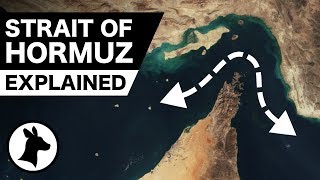
In a literal sense, the Strait of Hormuz is a narrow waterway separating the Iranian coast from the Musandam Peninsula of Oman and the United Arab Emirates. At its narrowest point, the strait is only about 21 miles wide. While this may seem sufficient for modern shipping, the navigable shipping lanes are much tighter, requiring precise coordination to avoid collisions and ensure the safe passage of massive tankers.
The "meaning" of the strait in a geopolitical context refers to its status as a global economic lever. Because there are very few viable overland or pipeline alternatives for the volume of goods moving through the region, any disruption in the strait can lead to immediate volatility in international commodity prices. It is a primary conduit for the movement of oil and liquefied natural gas (LNG), as well as essential agricultural inputs.
Economic Importance and Global Trade
The scale of trade passing through the Strait of Hormuz is immense. It is estimated that approximately 20% of the world's total oil and LNG consumption flows through this narrow passage. Beyond energy, the strait is vital for food security, as roughly 30% of global fertilizer shipments pass through these waters. This makes the strait essential not only for powering cities and industries but also for maintaining global crop yields.
The concentration of such high volumes of trade in such a small area creates a high-stakes environment. If the strait were to be closed or restricted, the resulting supply shock would likely trigger a global economic crisis, affecting everything from gasoline prices at the pump to the cost of food in distant markets.
A Brief History of Conflict and Control
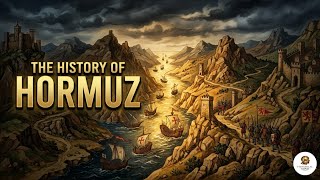
The history of the Strait of Hormuz is defined by a struggle for regional dominance and the protection of trade routes. For centuries, various empires and colonial powers have sought to influence the region to secure their commercial interests. In the modern era, the strait has become a focal point for tensions between Iran and Western powers, particularly the United States.
During the late 20th century, the strait was a scene of active military engagement. One of the most notable periods of instability occurred during the "Tanker War" in the 1980s, a phase of the Iran-Iraq War where both nations attacked commercial shipping to undermine each other's economy. This period saw the deployment of international naval forces to escort tankers and ensure the freedom of navigation.
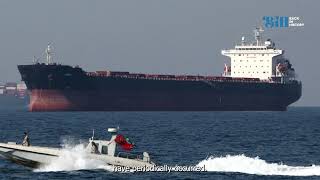
More recently, the strait has been used as a tool of diplomatic and military signaling. Tensions often manifest in the form of ship seizures or the deployment of naval mines. Historical records indicate instances where the United States military intervened to neutralize threats, such as the destruction of mine-laying vessels, to prevent the total closure of the waterway.
The Future of the Chokepoint
As the world transitions toward diverse energy sources, the absolute reliance on the Strait of Hormuz may shift, but its importance remains steadfast for the foreseeable future. Regional powers continue to invest in pipelines that bypass the strait to mitigate risk, yet the sheer volume of exports from the Persian Gulf makes the waterway indispensable.
The stability of the Strait of Hormuz remains a primary concern for international diplomacy. Because the strait is governed by international maritime laws regarding "transit passage," the balance between national sovereignty and the global right to trade remains a delicate and ongoing negotiation.