What Is HHV‑6 Virus?
The human herpesvirus 6 (HHV‑6) is a member of the Herpesviridae family, one of eight known human herpesviruses. Like its relatives, HHV‑6 is a double‑stranded DNA virus that establishes lifelong latency after the initial infection. It is best known for causing roseola (also called exanthem subitum), a common childhood illness that typically affects infants between six months and two years of age.
Classification and Structure
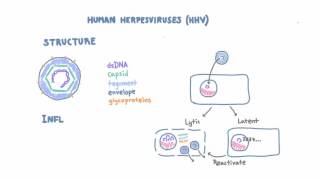
HHV‑6 belongs to the Betaherpesvirinae subfamily, which also includes HHV‑7 and cytomegalovirus (CMV). All human herpesviruses share several key features:
- Enclosed in an icosahedral capsid.
- Surrounded by a proteinaceous tegument.
- Encased in a lipid envelope derived from the host cell membrane.
- Contain a linear, double‑stranded DNA genome of approximately 160 kilobase pairs.
These structural characteristics allow the virus to enter a dormant state within host cells and reactivate under certain conditions, such as immunosuppression.
Clinical Presentation of Primary Infection
Roseola in Young Children
The most common manifestation of primary HHV‑6 infection is roseola. The disease typically follows a two‑stage course:
- Prodromal fever: A sudden high fever (often > 39 °C) lasts three to five days. The fever may be the only symptom, and children can appear unusually irritable or lethargic.
- Rash onset: As the fever subsides, a pink‑to‑red maculopapular rash appears, usually beginning on the trunk and spreading to the neck and limbs. The rash is non‑itchy and fades within 24 hours.
Most cases are mild and self‑limited, requiring only supportive care such as fluid intake and fever control. Complications are rare but can include febrile seizures, especially in children with a strong fever response.
Other Possible Presentations
While roseola dominates the clinical picture in infants, HHV‑6 can also cause:
- Exanthematous rashes in older children and adults.
- Encephalitis, particularly in immunocompromised patients.
- Bone‑marrow suppression and hepatitis during severe systemic infection.
These manifestations are uncommon and typically occur when the virus reactivates rather than during primary exposure.
Transmission and Epidemiology
HHV‑6 spreads primarily through respiratory secretions, saliva, and close personal contact. Seroprevalence studies show that more than 90 % of the adult population carries antibodies against HHV‑6, indicating that infection is almost universal worldwide. Most children acquire the virus before the age of three, which explains the high incidence of rose