The Critical Role of the Strait of Hormuz in Global Energy Markets
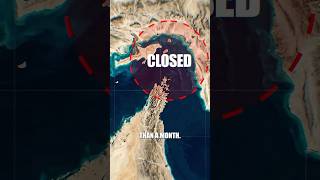
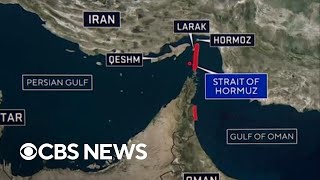
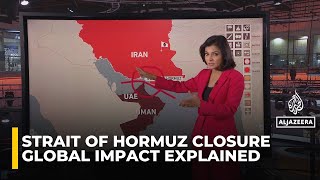
The Strait of Hormuz serves as one of the world's most vital maritime chokepoints, connecting the Persian Gulf to the Gulf of Oman and providing the sole sea passage for oil and gas exports from the region. This narrow 21-mile channel handles approximately 21 percent of the world's petroleum liquids daily, making it a linchpin of global energy security. Any disruption to this critical waterway would send shockwaves through international markets and economies worldwide.
Immediate Energy Market Consequences
A closure of the Strait of Hormuz would immediately halt the flow of roughly 17 million barrels of oil per day from major producers including Iran, Iraq, Kuwait, Saudi Arabia, the United Arab Emirates, Bahrain, and Qatar. The sudden loss of this supply would create an unprecedented energy crisis, with oil prices potentially spiking to levels not seen since the 1970s oil embargo.
The impact would extend beyond crude oil to include significant volumes of refined petroleum products, liquefied natural gas, and petrochemical exports. Global shipping routes would be forced to detour around the southern tip of Africa, adding 6,000 to 7,000 miles to maritime journeys and dramatically increasing transportation costs and transit times.
Broader Economic Disruption
The economic ramifications would ripple through every sector of the global economy. Refineries worldwide dependent on Middle Eastern feedstocks would face severe shortages, leading to fuel shortages and transportation disruptions. Manufacturing industries would grapple with soaring energy costs, potentially triggering widespread inflation and supply chain breakdowns.
Countries heavily reliant on imported oil, such as much of Europe, Japan, and parts of Asia, would face acute energy security challenges. The cost of living would rise globally as energy costs are passed through the economy, disproportionately affecting lower-income populations.
Military and Geopolitical Implications
The strategic importance of the Strait of Hormuz explains why naval forces from multiple nations regularly patrol the area. A closure would likely trigger rapid military responses from regional and international powers seeking to reopen the waterway.
Regional tensions could escalate dramatically, with potential military confrontations between Iran and other stakeholders. The presence of the Revolutionary Guards Corps in the surrounding waters would likely intensify, as Tehran has explicitly warned it would attack any ship attempting to pass through the strait during heightened tensions.
Global Trade and Shipping Industry Impact
The global shipping industry would face immediate and severe disruption. With thousands of commercial vessels rerouted around Africa, shipping companies would experience capacity constraints, fuel surcharges, and schedule delays that could persist for months or years.
Insurance premiums for maritime cargo would skyrocket, and some insurers might refuse coverage for vessels attempting to navigate alternative routes through the region. The cost of goods transported globally would increase substantially, affecting everything from consumer electronics to raw materials for manufacturing.
Energy Transition Acceleration
Paradoxically, a closure of the Strait of Hormuz could accelerate global efforts to diversify energy sources and transition away from fossil fuels. Nations might expedite investments in renewable energy, energy efficiency measures, and strategic petroleum reserves to reduce future vulnerability to similar disruptions.
Diplomatic and Negotiation Responses
As U.S.-Iran talks demonstrate little sign of progress in resolving underlying tensions, the international community would likely intensify diplomatic efforts to prevent escalation. International organizations might facilitate emergency negotiations, while regional powers would seek to de-escalate tensions through backchannel communications.
Historical Context and Precedents
While the Strait of Hormuz has never been completely closed, there have been several periods of reduced traffic, including during the Iran-Iraq War and various regional conflicts. These historical precedents demonstrate that even temporary disruptions can have lasting effects on global energy markets and international relations.
Preparation and Mitigation Strategies
Countries with significant oil-import