What Happens If the Strait of Hormuz Closes?
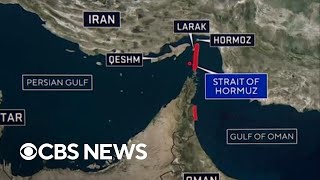
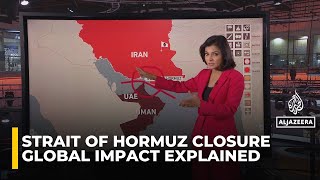
The Strait of Hormuz, a narrow waterway connecting the Persian Gulf to the open ocean, is a critical chokepoint for global energy supplies. Approximately 30% of the world's seaborne crude oil and a significant portion of liquefied natural gas (LNG) pass through this strategic passage daily. A closure, whether intentional or due to conflict, would have profound and far-reaching consequences for the global economy, international relations, and energy markets.
The Immediate Economic Shockwaves
The most immediate and significant impact of a Strait of Hormuz closure would be a dramatic surge in oil prices. With a substantial portion of global oil supply suddenly unavailable, the laws of supply and demand would dictate a sharp increase in the cost of crude. This would ripple through economies worldwide, leading to:
- Higher gasoline and diesel prices at the pump, affecting transportation costs for individuals and businesses.
- Increased production costs for industries reliant on oil and its derivatives, potentially leading to higher prices for a vast array of goods.
- Inflationary pressures across the global economy, as the cost of energy is a fundamental component of most economic activities.
- A potential global recession, as businesses and consumers grapple with significantly higher energy expenses and reduced purchasing power.
For countries heavily dependent on oil imports, the impact would be particularly severe. Nations with limited domestic energy production would face severe shortages and economic hardship. The financial markets would likely experience significant volatility, with stock markets declining and uncertainty paralyzing investment.
Disruptions to Global Trade and Supply Chains
Beyond the direct impact on oil prices, the closure of the Strait of Hormuz would severely disrupt global trade and supply chains. Many other goods, not directly related to energy, are transported through this vital maritime route. The rerouting of these vessels, if even possible, would lead to:
- Extended shipping times and increased freight costs.
- Potential shortages of various manufactured goods and raw materials.
- A domino effect on industries that rely on timely and cost-effective delivery of components and finished products.
The intricate web of global commerce is highly sensitive to disruptions in key transit points. The Strait of Hormuz represents one of the most critical nodes in this network. Its closure would create bottlenecks and inefficiencies that could take months, if not years, to fully resolve.
Geopolitical Ramifications and International Relations
The closure of the Strait of Hormuz would inevitably escalate geopolitical tensions. The region is already a hotbed of complex relationships and strategic competition. A disruption of this magnitude would:
- Heighten the risk of military conflict, as nations with interests in the region may feel compelled to intervene.
- Strain diplomatic relations between major global powers, particularly those with significant energy import needs and those with influence in the Middle East.
- Lead to increased regional instability, potentially impacting neighboring countries and exacerbating existing conflicts.
- Prompt urgent international efforts to de-escalate the situation and find diplomatic solutions, though the success of such efforts would be uncertain.
The international community would be faced with the monumental task of ensuring freedom of navigation and securing energy supplies. This could involve naval escorts, diplomatic negotiations, and potentially even coordinated military actions, all of which carry their own significant risks.
Potential Alternatives and Their Limitations
In the event of a Strait of Hormuz closure, efforts would undoubtedly be made to find alternative routes and sources of energy. However, these alternatives have significant limitations:
- Pipelines: While some oil and gas pipelines bypass the Strait, their capacity is insufficient to compensate for the volume of maritime traffic. Expanding pipeline infrastructure is a long-term, costly, and often politically challenging undertaking.
- Other Sea Routes: Rerouting tankers around Africa is a significantly longer and more expensive option, drastically increasing shipping times and costs. This would not be a sustainable solution for the vast quantities of oil that normally transit the Strait.
- Strategic Petroleum Reserves: Nations