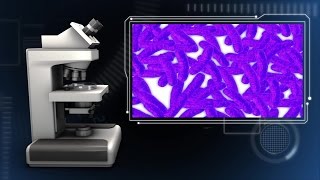
The Rising Threat of Vibrio Vulnificus in Warming Coastal Waters
Public health experts are increasingly concerned about the prevalence of Vibrio vulnificus, a naturally occurring bacterium that thrives in warm, brackish, and saltwater environments. While this pathogen has been present in marine ecosystems for centuries, recent environmental shifts are expanding its reach. Researchers have identified a clear correlation between rising global ocean temperatures and the increased frequency of Vibrio infections, suggesting that as our coastal waters grow warmer, the risk to human health continues to climb.
Understanding the Bacteria
Vibrio vulnificus is often colloquially referred to as a flesh-eating bacterium, though this label simplifies a complex biological process. When the bacteria enter the body—typically through an open wound exposed to contaminated water or through the ingestion of raw or undercooked shellfish—they can trigger a condition known as necrotizing fasciitis. This is a severe, rapid-onset infection that destroys the tissue beneath the skin. If left untreated, the bacteria can enter the bloodstream, leading to septicemia, organ failure, and in many cases, death.
The bacteria are halophilic, meaning they require salt to survive. They are most active during the warmer months when water temperatures rise, typically between May and October. Because the bacteria flourish in heat, the recent trend of record-breaking ocean temperatures has provided an ideal breeding ground for the pathogen, allowing it to survive in regions that were previously considered too cold or inhospitable.
Geographic Shifts and Environmental Factors
Historically, reports of Vibrio vulnificus were largely confined to the Gulf Coast of the United States, where warm, shallow waters are the norm. However, recent data indicates that the geographic range of the bacteria is moving northward along the Atlantic seaboard. As coastal waters in the mid-Atlantic and Northeast experience warmer summers, the bacteria are migrating into new territories, exposing populations that may not be accustomed to screening for or recognizing the symptoms of such an infection.
The impact of this expansion is already being felt. Recent reports from along the East Coast have highlighted the severity of this issue, with at least eight deaths attributed to the bacteria in a single season. These incidents serve as a stark reminder that Vibrio is no longer a localized issue for Southern states, but a growing concern for a much broader segment of the population.
The Human Cost of Exposure
The severity of an infection can be devastating. Because the bacteria move so quickly, the window for effective medical intervention is incredibly narrow. In many documented cases, patients arrive at medical facilities with minor skin irritations that rapidly evolve into life-threatening systemic infections.
The consequences of these infections are often life-altering. For instance, the case of Brian Parrott, a 50-year-old Texas man who contracted the bacteria after exposure, illustrates the extreme measures sometimes required to save a patient’s life. After the infection took hold, surgeons were forced to amputate his leg to prevent the bacteria from spreading further through his body. Such cases underscore the importance of early detection, rapid antibiotic treatment, and, in severe scenarios, surgical intervention to remove infected tissue.
Mitigation and Public Safety
As the climate continues to change, public awareness remains the most effective tool for preventing illness. While it is impossible to eliminate Vibrio from the ocean, individuals can take concrete steps to minimize their risk:
- Avoid exposing open wounds: If you have any cuts, scrapes, or recent surgical incisions, stay out of brackish or saltwater. Even a small break in the skin can provide a direct pathway for bacteria.
- Use waterproof bandages: If you must enter the water with a minor skin injury, use a high-quality, waterproof dressing to create a physical barrier.
- Practice proper food safety: Ensure that all shellfish, especially oysters, are cooked thoroughly before consumption. Heat is highly effective at killing Vibrio bacteria.
- Recognize the symptoms: Seek immediate medical attention if you develop signs of an infection after water exposure,