Understanding the Legacy of Tupac: Keep Head Up
Few songs in the history of hip-hop have managed to balance raw social commentary with genuine emotional vulnerability as effectively as Tupac Keep Head Up. Released as part of the 1993 album Strictly 4 My N.I.G.G.A.Z., the track stands as a pivotal moment in Tupac Shakur's discography. While much of his work was defined by defiance and aggression, this specific piece offered a softer, more empathetic lens through which he viewed the struggles of marginalized communities.
The Core Message of Resilience
At its heart, the song is an anthem of empowerment directed specifically toward women. During an era when the prevailing narrative in rap was often criticized for being exclusionary or derogatory toward women, Tupac used this track to acknowledge the systemic hardships they faced. He speaks directly to the "single mothers" and those struggling to survive in impoverished environments, urging them to maintain their dignity and strength despite the odds.
The phrase keep head up serves as a mantra for resilience. It is not merely a suggestion to stay positive, but a call to resist the crushing weight of societal expectations and systemic failure. By validating the pain of his listeners, Tupac transformed the song from a simple musical composition into a source of emotional support for thousands.
Musical Composition and Tone
The sonic landscape of the track mirrors its lyrical intent. Unlike the high-energy, aggressive beats found elsewhere on the Strictly 4 My N.I.G.G.A.Z. album, this song employs a smoother, more melodic approach. The production allows the vocals to take center stage, ensuring that the message is not lost in the noise. This deliberate choice in tone helps bridge the gap between the artist and the listener, creating an intimate atmosphere that feels like a personal conversation rather than a performance.
Tupac's delivery is notably different here; he swaps his characteristic intensity for a tone of compassion and sincerity. This versatility proved to the world that he was not just a "thug" or a revolutionary, but a poet capable of profound empathy.
Social Commentary and Impact
Beyond the personal encouragement, the song delves into the broader socio-economic factors that contribute to the struggles of the inner city. Tupac addresses the cycle of poverty, the lack of support for families, and the psychological toll of living in a world that often overlooks the contributions and suffering of Black women.
- Acknowledgment of Struggle: He recognizes the invisible labor of women who hold families together under extreme pressure.
- Call for Respect: The lyrics challenge the listener to view women not as objects, but as the backbone of the community.
- Hope Amidst Despair: By ending on a note of encouragement, he provides a psychological lifeline to those feeling defeated.
The Lasting Influence of the Track
The influence of Tupac Keep Head Up extends far beyond the 1990s. It paved the way for future artists to explore themes of vulnerability and social justice without sacrificing their street credibility. The song's legacy is evident in how it continues to be referenced in discussions about mental health, gender roles, and racial inequality within urban environments.
Even decades after its release, the song remains a staple for those seeking motivation during difficult times. It serves as a reminder that strength is not always found in loud defiance, but often in the quiet determination to keep moving forward when everything seems to be falling apart.
Conclusion
Tupac Shakur was a complex figure, often contradictory in his public persona and artistic output. However, tracks like this reveal the core of his humanity. By urging his audience to keep head up, he offered more than just music; he offered a sense of visibility and worth to people who had been told they were invisible. The song remains a timeless piece of art that transcends the genre of hip-hop to become a universal message of hope and perseverance.

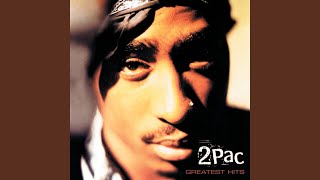




![2Pac - Keep Ya Head Up (CLEAN) [HQ]](https://i.ytimg.com/vi/40vW04QfHeo/mqdefault.jpg)