The Strategic Significance of the Strait of Hormuz
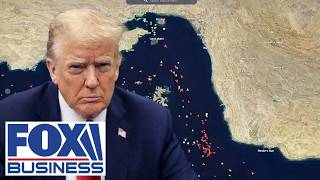
The Strait of Hormuz serves as one of the most critical maritime chokepoints in the global economy. Located between Oman and Iran, this narrow waterway connects the Persian Gulf with the Gulf of Oman and the Arabian Sea. While it is geographically distant from the United States, its stability is inextricably linked to American economic health and national security interests. Because a significant portion of the world’s daily oil production transits through this narrow passage, any disruption in the Strait creates immediate ripples that reach American gas stations and financial markets.
Economic Vulnerability and Global Energy Markets
The primary impact of the Strait of Hormuz on the United States is rooted in energy security. Despite the United States becoming a leading producer of oil and natural gas over the last decade, the global oil market remains highly integrated. Oil is a fungible commodity, meaning that prices are set on a global scale. When volatility spikes in the Middle East, the price of crude oil tends to rise worldwide, regardless of where the oil is physically extracted.
A substantial volume of liquid natural gas and crude oil exits the Persian Gulf through this narrow channel every single day. Major consumers in Asia rely heavily on these shipments, and a blockade or significant military conflict in the region would force a massive reallocation of energy resources. This would lead to a sharp increase in global prices, directly impacting the cost of living for American households. Inflationary pressures caused by energy spikes can slow economic growth, increase transportation costs for businesses, and complicate the federal government's monetary policy.
National Security and Military Posture
Beyond the economic consequences, the Strait of Hormuz represents a major theater for United States foreign policy and military strategy. The U.S. Navy maintains a persistent presence in the region to ensure the freedom of navigation and the uninterrupted flow of commerce. This commitment is intended to reassure allies, deter regional aggression, and prevent any single power from controlling a lifeline that is essential to the global economy.
Tensions in the region often escalate when diplomatic relations between the United States and Iran deteriorate. History has shown that when political friction rises, the risk of maritime harassment or the threat of closing the Strait becomes a primary concern for policymakers. The U.S. government frequently utilizes sanctions and diplomatic pressure to maintain stability, hoping to avoid a kinetic conflict that could force a massive military intervention. The constant need to monitor the area requires a significant allocation of naval assets and intelligence resources, which informs the broader U.S. defense strategy in the Middle East.
The Diplomatic Balancing Act
Managing the situation in the Strait of Hormuz requires a delicate balance of diplomacy and deterrence. American administrations have long sought to maintain a policy of engagement while simultaneously preparing for contingencies. This involves coordinating with regional partners, such as Saudi Arabia and the United Arab Emirates, who are also deeply concerned about the security of their energy exports. The challenge for Washington is to protect its interests without triggering the very conflict it seeks to prevent.
Furthermore, the U.S. approach must account for the perspectives of global allies who are even more dependent on Middle Eastern oil than the United States. If the Strait were compromised, the resulting economic shock would not be limited to American borders; it would impact the entire international financial system. Therefore, the United States often acts as a security guarantor, providing a sense of stability that allows global trade to continue despite the underlying political tensions.
Looking Toward Future Stability
As the United States continues to transition toward different energy sources, the long-term strategic value of the Strait of Hormuz may evolve, but its short-term importance remains absolute. The geopolitical landscape of the Persian Gulf is complex, involving competing regional interests and deep-seated historical rivalries. For the United States, the Strait will remain a focal point of foreign policy for the foreseeable future.
Understanding the impact of the Strait of Hormuz requires recognizing that in a globalized world, geography is rarely just a local matter. What happens in a narrow channel thousands of miles away is a direct factor in the stability of the American economy. As long as the world relies on oil and gas, the security of this maritime passage will remain a pillar of