Understanding the Strategic Importance of the Strait of Hormuz
The Strait of Hormuz is widely regarded as one of the most critical maritime chokepoints in the global economy. Connecting the Persian Gulf with the Gulf of Oman and the Arabian Sea, it serves as the primary artery for the export of crude oil and liquefied natural gas (LNG) from some of the world's largest producers, including Saudi Arabia, Iraq, Kuwait, and the United Arab Emirates.
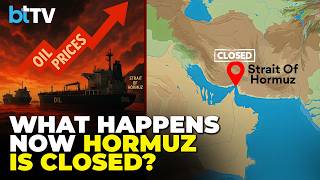
Because a significant portion of the world's total oil consumption passes through this narrow waterway, any disruption to traffic—whether caused by geopolitical conflict, military blockade, or accidental closure—triggers immediate volatility in global energy markets. The Strait of Hormuz closure impact on oil prices is typically characterized by rapid spikes in cost driven by both physical supply shortages and speculative trading.
Immediate Market Reactions to Potential Closure
When tensions rise in the region, the energy market does not wait for an actual closure to react. Instead, prices often climb based on the perceived risk of disruption. This is known as a risk premium. Traders begin to price in the possibility of a supply shock, leading to an increase in the cost of Brent and West Texas Intermediate (WTI) benchmarks.
In the event of a full closure, the impact would be immediate and severe. A significant percentage of global seaborne oil passes through the strait daily. A sudden removal of these barrels from the market would create a massive supply-demand imbalance. Without an immediate alternative, the global market would face a shortage that could push oil prices to historic highs, affecting everything from gasoline prices at the pump to the cost of industrial plastics and aviation fuel.
Factors Influencing the Severity of Price Spikes
While a closure would undoubtedly raise prices, the magnitude of the increase depends on several mitigating factors:
- Spare Production Capacity: If other oil-producing nations, such as the United States or Canada, have the capacity to increase production quickly, the price spike may be dampened.
- Strategic Petroleum Reserves (SPR): Many industrialized nations maintain emergency stockpiles of crude oil. The coordinated release of these reserves can help stabilize markets by filling the gap left by the closure.
- Alternative Export Routes: Some Gulf nations have invested in pipelines that bypass the strait, allowing a fraction of their oil to reach markets via the Red Sea or other corridors. However, these pipelines currently lack the capacity to handle the total volume of oil that normally flows through the strait.
Long-Term Economic Consequences
Beyond the immediate price jump, a prolonged closure of the Strait of Hormuz would have cascading effects on the global economy. High energy costs act as a tax on both consumers and businesses, leading to increased inflation. When the cost of transporting goods rises, the price of finished products increases, potentially slowing global economic growth.
Furthermore, such a crisis would likely accelerate the global transition toward energy diversification. Countries heavily reliant on Middle Eastern imports would be incentivized to invest more aggressively in renewable energy sources and domestic production to reduce their vulnerability to geopolitical chokepoints.
The Role of Geopolitics and Speculation
The relationship between regional stability and oil pricing is symbiotic. Because the Strait of Hormuz is a focal point of geopolitical tension, any military movement or diplomatic breakdown in the region is closely monitored by commodity analysts. Speculators often drive prices upward even before a physical disruption occurs, as they bet on the likelihood of a closure.
This speculative activity can create a feedback loop where rising prices increase the urgency for diplomatic resolutions, but also make the economic stakes of the conflict much higher for all involved parties.
Conclusion
The Strait of Hormuz closure impact on oil prices is a primary concern for global policymakers and economists. The strait's role as a central hub for energy exports means that its security is inextricably linked to global economic stability. While strategic reserves and alternative production can provide a temporary cushion, a total closure would represent one of the most significant shocks to the energy market in modern history, emphasizing the fragility of the global oil supply chain.