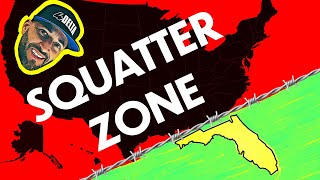
Understanding Squatters Rights Laws in Florida
Property ownership in Florida is generally secure, but homeowners and real estate investors often encounter complex legal challenges when unauthorized individuals occupy their properties. The concept of "squatters rights," legally known as adverse possession, allows a person to claim legal ownership of a property if they occupy it for a specific period under very strict conditions. However, most modern disputes involve "squatters" who are actually unauthorized occupants or hold fraudulent leases, rather than individuals seeking adverse possession.
Adverse Possession vs. Unauthorized Occupancy
It is critical to distinguish between adverse possession and simple trespassing or unauthorized occupancy. For a squatter to successfully claim ownership of a home in Florida through adverse possession, they must meet several rigorous legal criteria. They must occupy the land openly, notoriously, and exclusively, and they must do so in a hostile manner—meaning without the owner's permission.
Furthermore, Florida law requires the claimant to prove they have paid all property taxes on the land during the period of occupation. Because paying taxes on a property you do not own is rare and difficult, successful adverse possession claims are relatively uncommon. Most people referred to as squatters are actually "tenants at sufferance" or trespassers who are exploiting legal loopholes to remain in a home.
The Challenge of Fraudulent Leases
A common issue facing Florida property owners is the "professional squatter." These individuals may move into a vacant property and claim they have a valid lease agreement, even if the document is forged. In the past, this created a legal gray area where police officers would decline to remove the occupants, viewing the situation as a civil landlord-tenant dispute rather than a criminal trespass.
When a person presents a purported lease, the property owner is often forced to go through the formal eviction process. This process can be time-consuming and expensive, requiring the owner to file a lawsuit in court to prove the lease is invalid before the sheriff can legally remove the occupant.
Recent Legislative Changes in Florida
To combat the rise of unauthorized occupants and the misuse of civil court processes, Florida has introduced new legislative measures to protect property owners. Recent laws, including House Bill 621, aim to streamline the removal of squatters who occupy a property without a valid legal right.
Under these updated guidelines, property owners are granted more direct avenues to request assistance from law enforcement. Specifically, owners can now request that the sheriff's office take immediate action to remove individuals who are trespassing on a residential property, provided the owner can demonstrate that the occupant does not have a legitimate lease or permission to be there. This shift is designed to prevent trespassers from using the "civil dispute" excuse to occupy a home for months while waiting for a court date.
How to Protect Your Property from Squatters
Preventing unauthorized occupancy is significantly easier than removing a squatter through the legal system. Property owners, especially those with vacant rental units or second homes, should take the following precautions:
- Secure the Perimeter: Ensure all windows and doors have high-quality locks. Change the locks immediately after a tenant moves out.
- Install Surveillance: Security cameras and motion-sensor lights act as a deterrent and provide evidence of illegal entry.
- Maintain Regular Visits: Check on vacant properties frequently. A home that looks lived-in is less likely to attract squatters.
- Notify Neighbors: Let neighbors know when a property is vacant so they can alert you to any suspicious activity.
- Keep Accurate Records: Maintain clear documentation of ownership and current lease agreements to quickly prove a squatter's lack of authority to law enforcement.
Seeking Legal Recourse
If you discover that someone has illegally occupied your property, it is vital to act quickly. Attempting to forcibly remove a squatter yourself—such as by changing the locks or cutting off utilities—can lead to "self-help eviction" lawsuits, which may result in the owner paying damages to the squatter.
The safest route is to contact local law enforcement to see if the new legislative protections apply to your situation. If