Understanding Regional Variations in U.S. Extreme Heat Warnings
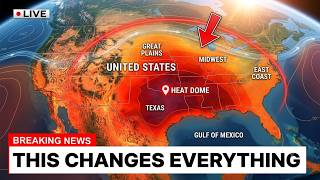
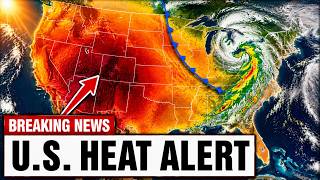
Extreme heat warnings are issued across the United States to alert residents about dangerously high temperatures, but the criteria and impacts of these warnings vary significantly by region. What qualifies as extreme heat in one part of the country may differ from another due to climate patterns, local infrastructure, and population vulnerability. Understanding these regional differences can help communities better prepare and respond.
Why Do Heat Warnings Vary by Region?
The National Weather Service (NWS) tailors heat warnings based on local climate conditions and historical temperature trends. A 100°F day in Phoenix, Arizona, may be routine, while the same temperature in Seattle, Washington, could trigger a heat advisory due to the region’s typically milder climate. These variations ensure that warnings remain relevant and effective for each area’s unique risks.
Factors influencing regional heat warning thresholds include:
- Historical temperature data: Areas accustomed to frequent high temperatures may have higher thresholds for warnings.
- Humidity levels: High humidity can make temperatures feel even hotter, prompting warnings at lower actual temperatures in humid regions like the Southeast.
- Urban heat islands: Cities with dense infrastructure, such as Los Angeles or New York, often experience higher localized temperatures, leading to more frequent advisories.
- Population vulnerability: Regions with older populations or limited access to air conditioning may see warnings issued at lower thresholds to prevent heat-related illnesses.
Regional Breakdown of Extreme Heat Warnings
The Southwest: High Thresholds, Prolonged ExposureStates like Arizona, Nevada, and Southern California regularly experience extreme heat, with temperatures often exceeding 110°F. In these areas, heat warnings are typically issued when temperatures are expected to reach or surpass 115°F for multiple days. The dry climate can make high temperatures more tolerable, but prolonged exposure still poses serious risks, particularly for outdoor workers and vulnerable populations.
Local governments in the Southwest often implement cooling centers and hydration programs to mitigate heat-related illnesses. However, power grid reliability becomes a critical concern during extended heatwaves, as increased demand for air conditioning strains energy resources.
The Southeast: Humidity Amplifies DangerIn the Southeast, including states like Florida, Georgia, and Louisiana, high humidity levels make extreme heat feel even more oppressive. The NWS often issues heat advisories when the heat index—a measure of how hot it feels when humidity is factored in—reaches 105°F to 110°F. Even temperatures in the mid-90s can trigger warnings if humidity is high enough.
This region’s heat warnings emphasize the risks of heat exhaustion and heatstroke, which can develop rapidly in humid conditions. Residents are advised to stay indoors during peak heat hours, use fans or air conditioning, and remain hydrated. Urban areas like Atlanta and Miami also face challenges with heat island effects, where concrete and asphalt absorb and retain heat, elevating nighttime temperatures.
The Northeast and Midwest: Lower Thresholds, Higher RisksIn the Northeast and Midwest, extreme heat warnings are issued at lower temperatures compared to the Southwest. For example, a heat advisory may be triggered in Chicago or Boston when temperatures reach the mid-90s, particularly if humidity is high. These regions experience fewer extreme heat events, so populations are often less acclimated to prolonged high temperatures.
Heatwaves in these areas can lead to significant health risks, as many homes lack central air conditioning. Cities like Philadelphia and New York have implemented heat emergency plans, including opening cooling centers and extending public pool hours. Older adults and children are particularly vulnerable, and local health departments often issue targeted warnings for these groups.
The Pacific Northwest: Unprepared for Rare HeatwavesThe Pacific Northwest, including states like Washington and Oregon, has historically had mild summers, with temperatures rarely exceeding 90°F. However, climate