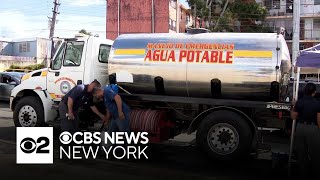
Understanding the Complex Causes of Water Shortages in Puerto Rico
Puerto Rico faces a recurring and multifaceted crisis regarding its water supply. While the island is surrounded by the Atlantic Ocean and the Caribbean Sea, the availability of fresh, potable water for its residents is frequently interrupted. These water shortages are not the result of a single factor but are instead the consequence of a fragile intersection between environmental shifts, outdated infrastructure, and systemic management challenges.
The Impact of Changing Precipitation Patterns
One of the primary environmental drivers of water scarcity in Puerto Rico is the increasing unpredictability of rainfall. The island relies heavily on a series of reservoirs, or embalses, to capture and store water for domestic and agricultural use. These reservoirs depend on consistent seasonal rainfall to maintain adequate levels. However, climate change has introduced more extreme weather variability, leading to prolonged periods of drought followed by intense, short-lived storms.
During extended dry spells, the water levels in these reservoirs drop significantly. Because the island's topography is steep and its river systems are relatively short, water moves quickly from the mountainous interior to the sea. When rain is scarce, there is little time for the soil to retain moisture or for the aquifers to recharge, leaving the reservoir-dependent systems vulnerable to rapid depletion.
Infrastructure and Maintenance Challenges
Beyond environmental conditions, the physical state of the water distribution network remains a critical factor in the severity of shortages. Puerto Rico’s water infrastructure has struggled with decades of deferred maintenance. The system is plagued by high levels of non-revenue water—a term used to describe treated water that is lost before it ever reaches the consumer. This loss occurs primarily through leaks in aging pipes that have not been replaced or repaired in years.
When the infrastructure is inefficient, the strain on the existing supply is magnified. Even when reservoirs are at moderate levels, the inability to transport water effectively through a decaying network means that shortages become inevitable for many municipalities. The energy requirements to pump water across the island's rugged terrain also create a dependency on a power grid that has historically been unstable, further complicating the reliability of the water supply.
Sedimentation and Loss of Storage Capacity
A silent but potent cause of water shortages is the ongoing issue of sedimentation. Over time, soil erosion and runoff from the island’s interior wash silt and debris into the reservoirs. This process, known as sedimentation, gradually fills the bottom of these basins, effectively reducing the total volume of water they can hold. As the capacity of these reservoirs shrinks, the island becomes less resilient to drought.
Even if rainfall amounts remain consistent with historical averages, a reservoir that has lost a significant percentage of its volume to silt cannot store enough water to bridge the gap during dry months. Dredging these reservoirs is a costly and technically complex endeavor, and the lack of consistent funding for these large-scale environmental projects has allowed the problem to compound over time.
Management and Systemic Vulnerabilities
The human element of water management also plays a significant role in how shortages are experienced by the public. The management of water resources involves complex coordination between environmental agencies, energy providers, and utility operators. When communication between these entities falters or when there is a lack of long-term strategic planning, the system struggles to adapt to the realities of a changing climate.
Residents in various parts of the island often express frustration with the lack of transparency regarding when and why water rationing occurs. The perception of mismanagement can exacerbate the crisis, as public trust in the utility’s ability to provide a consistent service wanes. The reliance on centralized systems means that when a major component fails—whether due to a storm, a power outage, or a mechanical breakdown—the impact is widespread, affecting thousands of households simultaneously.
Looking Toward a Sustainable Future
Addressing the causes of water shortages in Puerto Rico requires a multi-pronged approach. Experts suggest that the focus must shift toward diversifying water sources, such as investing in rainwater harvesting, improving groundwater management, and potentially expanding desalination capabilities for coastal areas. Modernizing the distribution network to reduce leakage is also essential to ensure that every gallon of treated water reaches its intended destination.