Psychological Horror Movies To Stream
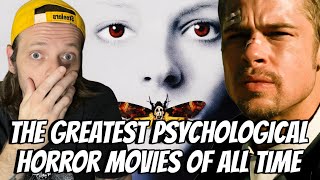
If you're like most horror fans, slasher films and ghost stories might not be your first choice when it comes to being truly unsettled. The kind of fear that lingers long after the credits roll usually doesn't come from jump scares or monster reveals — it creeps in through atmosphere, uncertainty, and the slow erosion of a character's grip on reality. Psychological horror has become one of the most respected and rewarding subgenres in cinema, and there are more excellent titles available to stream than ever before.
Why Psychological Horror Hits Differently
What makes psychological horror distinct is its reliance on mental tension rather than physical threat. These films ask you to question what is real alongside their protagonists, blurring the line between perception and delusion. The fear comes not from seeing something terrifying but from not knowing whether what you're watching is genuinely happening or taking place entirely within a fractured mind. That ambiguity is precisely what makes the genre so effective and enduring.
Recent Standouts Worth Streaming
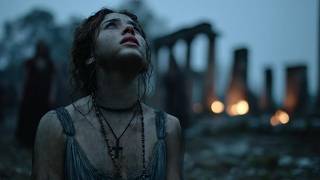
In recent years, several releases have pushed the boundaries of what psychological horror can achieve on screen. One particularly notable entry follows Maude Ashton, a young medical student played by Mia Goth, who is still haunted nearly a year after her identical twin disappears. The film builds its terror through grief, guilt, and the unsettling possibility that nothing is as it seems. Director Oz Perkins constructs each scene with deliberate pacing, allowing dread to accumulate rather than overwhelming viewers with constant shocks.
Another title generating significant attention is Smile, which explores how trauma manifests in terrifying ways. The protagonist, played by Sosie Bacon, becomes convinced that an entity is stalking her after a series of disturbing encounters with strangers. What begins as a personal descent into paranoia gradually expands into something far more sinister, with the film using surreal imagery and psychological manipulation to keep audiences guessing until its conclusion.
Modern Classics That Define the Genre
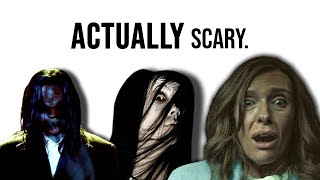
Some psychological horror films have earned lasting reputations that make them essential viewing. Hereditary remains one of the most discussed horror releases of the past decade, with Toni Collette delivering a devastating performance as a mother unraveling under the weight of family secrets and supernatural forces. The film operates on multiple levels simultaneously, functioning as both a devastating family drama and an increasingly horrifying exploration of inherited trauma and fate.
The Babadook holds a similar place in the pantheon, using its monster mythology to examine depression, grief, and single motherhood. Jennifer Kent's direction ensures that every frame feels charged with meaning, and the film's power lies in how completely it merges external horror with internal emotional reality. It is available to stream and continues to attract new audiences who appreciate its layered storytelling.
Get Out combined social commentary with genuine horror innovation, proving that psychological terror could tackle systemic racism while remaining thoroughly entertaining. Jordan Peele's script rewards repeated viewings with details that gain new significance upon reflection, making it both accessible and intellectually rewarding.
The Enduring Appeal of Slow-Burn Fear
One reason psychological horror movies resonate so deeply is their patience. These films understand that genuine fear requires time to develop. They allow scenes to breathe and let silences carry weight. The horror emerges from relationships breaking down, from trust being betrayed, and from the terrifying realization that the people closest to us may not be who they appear to be.
Directors like Ari Aster, Robert Eggers, and David Lowery have embraced this approach, crafting films where the real monster is often human nature itself — or the unreliable perception of those we love. Their work demonstrates that the most disturbing things aren't always supernatural; sometimes they are