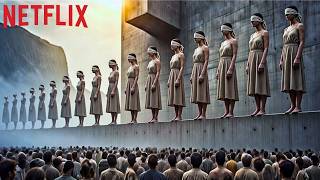
The Surreal Descent: Movies That Mirror Our Deepest Fears
There is a particular brand of horror that does more than startle—it unsettles the very fabric of reality. Psychological horror films that feel like nightmares transcend traditional scare tactics, plunging viewers into disorienting worlds where logic unravels and perception becomes unreliable. These cinematic experiences linger long after the credits roll, replaying in the quiet hours when the boundary between dream and waking life blurs.
The Uncanny Valley of Reality
The most effective psychological horror films understand that the scariest monsters are often the ones closest to us—ourselves, our fears, our subconscious. Films like Sesame Street (2021) trap audiences in a recursive nightmare where reality fractures and reassembles into something unrecognizable. The film's genius lies not in jump scares, but in its ability to make viewers question the stability of their own perception.
This type of horror operates similarly to actual nightmares, where familiar settings suddenly become alien and threatening. The suburban home from childhood transforms into a maze of endless corridors. A simple conversation with a loved one distorts into something menacing. These films succeed because they tap into the primal fear that our own minds might be our greatest enemy.
Characters Lost in Their Own Minds
Many nightmare-like psychological horror films center on protagonists who are already isolated or psychologically vulnerable. In The Babadook (2014), the monster serves as a manifestation of grief and depression—emotions everyone experiences but rarely confront so directly. The film's power comes from its refusal to offer easy resolution; the monster isn't defeated so much as managed, much like dealing with trauma in real life.
Similarly, Black Swan (2010) presents a dancer whose grip on reality slips as professional pressure intensifies. The film masterfully blurs hallucination and actual events, making viewers question what's real within the story while mirroring how dreams blend memory and imagination without warning.
The Architecture of Anxiety
Nightmare-inspired horror films often employ specific visual and narrative techniques that echo REM sleep patterns. Repetitive structures, impossible architecture, and temporal distortions mirror how dreams loop and defy conventional logic. Annihilation (2018) exemplifies this approach, featuring a zone where DNA mutates and reality warps—creating a visual language that feels both scientifically grounded and surreal.
These films frequently use sound design and cinematography to create cognitive dissonance. Dutch angles, unnatural silences, and discordant music signal to viewers that something is wrong—even when characters on screen seem oblivious. This technique mirrors how nightmare victims often sense danger before understanding its source.
When Reality Becomes Unreliable
The best psychological horror that feels authentic to nightmares doesn't rely on external threats—it makes the audience fear what's inside their own heads. Panels (2022) demonstrates this through its exploration of media consumption and information overload, suggesting that constant bombardment might fracture our collective psyche. The film's horror emerges from recognizing how easily truth becomes malleable in our interconnected world.
This theme resonates because it reflects genuine contemporary anxieties. Modern life already feels somewhat nightmarish at times—with social media creating alternate realities, news cycles cycling through relentless crises, and personal relationships struggling to maintain authenticity. These films simply amplify what we already sense but rarely acknowledge.
The Lingering Aftermath
Unlike conventional horror that provides cathartic release, nightmare-psychology hybrids leave audiences with unresolved tension. They don't provide comfort because life—and dreams—don't offer neat resolutions. After watching these films, viewers often find themselves double-checking locks, questioning their memories, or feeling slightly uneasy in familiar spaces.
This lingering effect proves these films' success. They create what psychologists call "hypersensitive threat detection"—the brain remains heightened, scanning