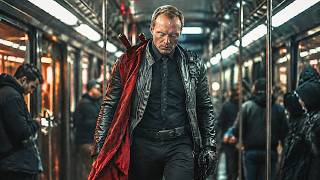
Why Horror Has Become One of Netflix's Biggest Draws
Netflix has steadily built one of the most impressive streaming libraries in the horror genre, and the reason is straightforward: audiences are hungry for scares they can find at home, on demand. What once required a trip to the theater or a late-night rental now lives on a platform where a single click can launch a marathon of chills. From psychological thrillers that linger long after the credits roll to visceral slashers that play perfectly during a rainy weekend, horror on Netflix has become a cultural constant rather than a niche interest.
The Psychological Horror Wave
One of the most noticeable trends on the platform is the dominance of psychological horror. These stories rely less on gore and jump scares and more on tension, moral ambiguity, and the slow unraveling of a character's reality. A perfect life slowly revealing itself as a calculated deception is exactly the kind of premise that resonates with viewers seeking something that disturbs without relying on spectacle alone. Characters who appear stable and successful often face the terrifying possibility that everything they know has been engineered to hide something far darker.
Viewers frequently describe these narratives as the most difficult to shake off, precisely because they do not depend on monsters or supernatural forces. The fear comes from relatable situations pushed to disturbing extremes, making the dread feel uncomfortably close to everyday life.
Supernatural Dread Finds a Home
While psychological horror has carved out a devoted audience, supernatural entries continue to perform remarkably well. Haunted houses, cursed objects, and malevolent entities remain core staples of the genre, and Netflix has invested heavily in producing and licensing titles that deliver classic scares with modern storytelling sensibilities. These projects often attract large audiences quickly because they appeal to a broad range of horror preferences.
The visual quality of recent productions has also elevated the genre. Cinematography, sound design, and pacing have all improved significantly, allowing smaller-budget films to compete with studio releases in terms of atmospheric intensity. A well-crafted sequence of shadowy figures moving just beyond the frame can be more effective than any elaborate special effect.
International Horror Expanding the Landscape
Netflix's global reach has introduced many viewers to horror traditions they might never have encountered otherwise. Films and series from South Korea, Mexico, India, and Scandinavia have found enthusiastic audiences on the platform, bringing distinct cultural perspectives on fear, folklore, and trauma. These stories often operate outside the conventions of Hollywood horror, relying on regional myths and societal anxieties that produce genuinely fresh scares.
This diversity has strengthened the overall horror ecosystem on Netflix. It also means that viewers who think they have seen all the scariest content may still encounter deeply unsettling narratives from filmmakers working in completely different cinematic traditions.
Binge Culture and the Horror Experience
Horror is uniquely suited to the binge-watching model that streaming platforms popularized. A single horror film can be intense enough to warrant a break, but a well-curated lineup of shorter features or a tightly paced series encourages continued viewing. Many fans have adopted horror marathons as a regular social activity, gathering friends or family to cycle through new releases and hidden gems.
Algorithm-driven recommendations have also played a role in helping audiences discover titles they would not have found through traditional marketing. Viewing history often surfaces lesser-known entries that quickly gain cult followings, proving that the platform's curation tools have real influence over what becomes popular within the genre.
What Makes Netflix Horror Stand Out
The strength of horror programming on Netflix lies in its variety. Whether a viewer wants slow-burn psychological dread, relentless supernatural action, or internationally infused folklore horror, the platform generally offers something to match that mood. The barrier to entry remains low, requiring only a subscription and a willingness to lean into discomfort.
As streaming continues to compete for attention, horror remains one of the most reliable genres for driving engagement. Audiences consistently return to it,




![The Ritual | Official Trailer [HD] | Netflix](https://i.ytimg.com/vi/Vfugwq2uoa0/mqdefault.jpg)