Pakistan Trade Routes After Hormuz
The Strait of Hormuz remains one of the most critical maritime chokepoints in the global economy, serving as the primary artery for oil and gas exports from the Persian Gulf. For Pakistan, a nation heavily dependent on energy imports and regional trade, any disruption in this narrow waterway presents a significant strategic risk. As geopolitical tensions in West Asia escalate, the necessity of diversifying trade routes and establishing alternative logistics corridors has become a national priority.
The Vulnerability of Traditional Maritime Paths
Currently, a vast majority of Pakistan's energy shipments and commercial goods from the Gulf region must pass through the Strait of Hormuz. The geography of the region means that any blockade, military conflict, or heightened naval tension can lead to immediate spikes in insurance premiums for shipping companies, delays in delivery, and potential fuel shortages. While tankers often continue to arrive during periods of low-level friction, the threat of systemic disruption forces policymakers to look beyond the traditional maritime path.
The reliance on a single chokepoint creates a "single point of failure" for Pakistan's economy. If the Strait were to become impassable, the cost of transporting energy via longer routes around the Arabian Peninsula would increase significantly, putting immense pressure on the national treasury and inflation rates.
The Strategic Pivot to Gwadar and CPEC
To mitigate the risks associated with the Strait of Hormuz, Pakistan has focused heavily on the development of the Gwadar Port under the China-Pakistan Economic Corridor (CPEC). Gwadar is strategically positioned outside the immediate volatility of the Persian Gulf's narrowest exits, providing a gateway that connects the Arabian Sea directly to the hinterlands of South Asia and Central Asia.
By enhancing the capacity of Gwadar, Pakistan aims to create a transit hub that can bypass traditional chokepoints for certain types of cargo. More importantly, the land-based infrastructure connecting Gwadar to the north allows for a more resilient supply chain. If maritime routes in the Gulf are compromised, the ability to receive goods at a port outside the immediate conflict zone and transport them via rail and road becomes a vital lifeline.
Exploring Overland Alternatives
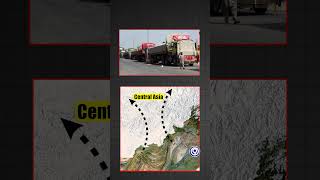
Beyond maritime solutions, Pakistan is exploring various overland trade routes to reduce its dependency on the sea. Diversifying trade partners and routes involves strengthening ties with Central Asian Republics (CARs) and exploring corridors that link Pakistan to Afghanistan and beyond.
- Central Asian Connectivity: By developing roads and railways that connect to Tajikistan and Uzbekistan, Pakistan can import minerals and energy products via land, bypassing the need for maritime transit through the Gulf entirely.
- Regional Trade Agreements: Strengthening bilateral trade frameworks allows for the movement of goods through land borders, which, while slower than shipping, are not subject to the same maritime chokepoint risks.
The Role of Diplomatic Frameworks and Security
While infrastructure is key, the stability of trade routes also depends on diplomatic efforts. Efforts to maintain the freedom of navigation in the Arabian Sea and the Gulf are essential. Pakistan must navigate a complex diplomatic landscape, balancing relationships with regional powers to ensure that maritime corridors remain open and safe from interference.
The coordination of naval security and the adherence to international maritime law are the first lines of defense. However, the long-term solution lies in redundancy. A trade strategy that relies on a mix of maritime hubs and overland corridors ensures that no single geopolitical event in West Asia can paralyze the Pakistani economy.
Conclusion: Building a Resilient Future
The potential for disruption in the Strait of Hormuz serves as a wake-up call for Pakistan to accelerate its diversification efforts. By investing in the full operational capacity of Gwadar, expanding land-based trade routes into Central Asia, and diversifying its energy sources, Pakistan can transition from a position of vulnerability to one of strategic resilience.
The shift toward "Pakistan trade routes after Hormuz" is not merely about finding a detour; it is about redesigning the nation's logistical architecture to ensure economic sovereignty and stability in an increasingly unpredictable global environment.