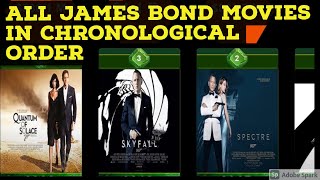
Understanding the James Bond Movies Chronological Order
For newcomers and lifelong fans alike, navigating the vast library of 007 cinema can be a daunting task. Since the first film debuted in the early 1960s, the franchise has spanned several decades, multiple lead actors, and various shifts in tone. When discussing the James Bond movies chronological order, it is important to distinguish between the order of release and the internal timeline of the narrative.
For the vast majority of the series, the release order and the chronological order are identical. Bond films were traditionally designed as standalone adventures, meaning there was very little overarching plot connecting one movie to the next. However, the most recent era of the franchise changed this dynamic, introducing a serialized story arc that makes the sequence of viewing more critical than ever before.
The Classic Era: Connery to Brosnan
The early decades of the series focused on episodic missions. Whether Bond was stopping a nuclear crisis or infiltrating a secret volcanic base, the status quo usually reset by the end of the credits. To experience these in chronological order, simply follow the release dates starting with the 1962 debut.
- The Sean Connery Years: The foundation of the series began here, establishing the gadgets, the villains, and the sophisticated lifestyle of the secret agent.
- The George Lazenby Interlude: A single outing that provided a rare glimpse into Bond's personal life and emotional vulnerability.
- The Roger Moore Era: This period shifted the tone toward a more lighthearted, campy style, emphasizing international glamour and witty dialogue.
- The Timothy Dalton Period: A brief return to the gritty, serious tone of Ian Fleming's original novels.
- The Pierce Brosnan Years: These films bridged the gap between the classic style and the modern blockbuster, incorporating high-tech weaponry and global stakes.
Because these films operate as individual chapters, you can technically watch them in almost any order without losing the plot. However, watching them chronologically allows you to witness the evolution of cinema technology, fashion, and the changing geopolitical landscape of the Cold War and beyond.
The Daniel Craig Era: A New Narrative Approach
The approach to the James Bond movies chronological order changed significantly with the introduction of Daniel Craig. Unlike his predecessors, Craig's Bond was given a definitive origin story and a continuous character arc that spanned five films. In this era, the sequence of viewing is essential because the plot of one movie directly informs the next.
The journey begins with the agent earning his 00 status and evolves into a complex study of loyalty, loss, and legacy. Events occurring in the early films—such as the introduction of specific allies and enemies—reach a climax in the final installment. If you watch these out of order, you will encounter major spoilers and miss the emotional weight of Bond's personal growth.
Why Order Matters for the Modern Viewer
While the early films offer a "plug-and-play" experience, the modern era treats the series more like a long-form novel. There are several reasons why sticking to the chronological sequence is beneficial for the modern viewer:
- Character Development: You see Bond evolve from a blunt instrument of the state into a man questioning his purpose.
- World Building: The relationships between Bond, M, and the various intelligence agencies are built incrementally.
- Thematic Consistency: The series explores themes of aging and obsolescence, which only resonate if seen in the correct order.
Tips for Your First Marathon
If you are planning to watch every film in the James Bond movies chronological order, be prepared for a significant shift in style. The transition from the colorful, stylized action of the 1970s to the visceral, handheld camera work of the 21st century is stark. To avoid burnout, some viewers prefer to watch the "eras" in blocks, taking a break between the different actors.
For those who are short on