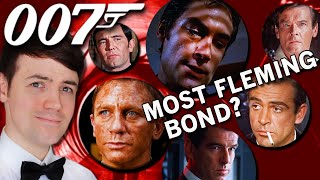
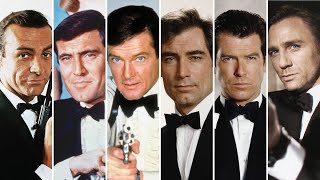
James Bond Actors Played Agent Overview
For over six decades, the cinematic portrayal of James Bond, 007, has evolved to reflect the changing cultural landscape and the shifting definitions of masculinity and espionage. While the character originated in the novels by Ian Fleming, the film adaptations have been defined by the specific actors who stepped into the tailored suits. Each actor brought a unique interpretation to the role, transforming the secret agent from a cold wartime operative into a global icon of sophistication and action.
The Foundation: Sean Connery and George Lazenby
Sean Connery is widely regarded as the definitive blueprint for the cinematic Bond. Introducing the character in 1962, Connery blended a rugged physicality with a polished, worldly charm. His portrayal established the core tropes of the franchise: the preference for martinis, the penchant for high-stakes gambling, and a lethal efficiency in the field. Connery played the role in several films before a brief hiatus, setting a standard that every subsequent actor would either emulate or intentionally disrupt.
The transition away from Connery led to the brief tenure of George Lazenby. Appearing in only one film, Lazenby offered a departure from the established norm by exploring Bond's emotional vulnerability. His version of the agent was more romantic and susceptible to the idea of domestic life, providing a rare glimpse into a version of 007 who considered leaving the service entirely.
The Era of Reinvention: Roger Moore and Timothy Dalton
Following Lazenby, Roger Moore stepped into the role, ushering in an era of lightness and wit. Moore's Bond was less of a gritty operative and more of a suave diplomat. His interpretation leaned heavily into the camp and spectacle of the series, emphasizing humor and effortless elegance over raw aggression. This period saw the franchise embrace the "super-spy" aesthetic, with elaborate gadgets and increasingly fantastical plotlines.
In a sharp pivot, Timothy Dalton sought to return the character to his literary roots. Dalton's portrayal was a stark contrast to Moore's; he played Bond as a moody, cynical, and disciplined professional. By stripping away the playfulness, Dalton highlighted the psychological toll of espionage and the loneliness of the agent's life. Although his tenure was shorter than some of his predecessors, he laid the groundwork for the more grounded approach seen in later decades.
The Modern Evolution: Pierce Brosnan and Daniel Craig
Pierce Brosnan arrived during a time of global political transition, blending the best elements of his predecessors. He combined Connery's magnetism, Moore's sophistication, and Dalton's intensity. Brosnan's Bond was a polished professional who operated with a sense of ease, fitting perfectly into the high-tech world of the 1990s. His era focused on the spectacle of the modern world, maintaining the agent's status as an untouchable figure of authority.
The most significant shift in the character's history occurred with the casting of Daniel Craig. Craig's Bond was a complete reimagining, introducing a "blunt instrument" version of the agent. For the first time, audiences saw Bond bleed, fail, and struggle with his internal demons. Craig's portrayal focused on the origin story of 007, detailing how a man is broken and rebuilt into a weapon for the state. This era moved away from the episodic nature of previous films, favoring a continuous narrative arc that explored the agent's mortality and his capacity for love and loss.
Comparing the Legacies of the 007 Actors
When reviewing the various actors who have played the agent, several distinct patterns emerge:
- The Traditionalists: Connery and Brosnan emphasized the effortless superiority and style of the British intelligence officer.
- The Stylists: Moore focused on the charm and the social prestige associated with the role.
- The Realists: Dalton and Craig prioritized the grit, the violence, and the emotional weight of the profession.
The longevity of the James Bond franchise is a testament to the versatility of the character. By allowing each actor to interpret the role through the lens of their