The Evolution of 007: James Bond Actors And Their Portrayals
For over six decades, the character of James Bond has remained a cornerstone of global cinema. While the core identity of the secret agent—the tailored suits, the gadgets, and the unwavering loyalty to the Crown—remains constant, the interpretation of the role has shifted significantly. Through the lens of the actors who have stepped into the tuxedo, we can see how the portrayal of Bond has evolved to reflect the cultural anxieties and cinematic trends of different eras.
The Foundation: Sean Connery
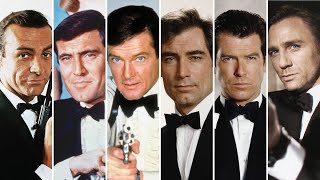
Sean Connery established the blueprint for every actor who followed. His portrayal in the early 1960s introduced a blend of rugged masculinity and sophisticated charm. Connery's Bond was not merely a civil servant; he was a predator in a dinner jacket. He brought a certain edge to the role, combining a cold efficiency in combat with a worldly confidence in social settings. This version of 007 defined the "gentleman spy" archetype, balancing the brutality of the job with an air of effortless elegance.
The Transition: George Lazenby
Following Connery's initial departure, George Lazenby took over for a single outing. His portrayal offered a brief but interesting departure from the norm by focusing on Bond's vulnerability. In his solo film, the character experienced genuine emotional turmoil and the desire to leave the service for a domestic life. While his tenure was short, Lazenby provided a glimpse into the human side of the agent, suggesting that the mask of the cold killer could be stripped away.
The Versatility: Roger Moore
When Roger Moore stepped into the role, the tone of the franchise shifted toward lightness and wit. Moore's portrayal leaned heavily into the camp and glamour of the era. His Bond was less of a gritty operative and more of a suave diplomat who could defeat his enemies with a dry quip and a raised eyebrow. This era emphasized the spectacle of the series, with Moore embodying a polished, almost untouchable version of the character who navigated the world of espionage with an easy, playful grace.
The Grit: Timothy Dalton
In a bid to return the series to its roots, Timothy Dalton provided a portrayal that was starkly different from Moore's. Dalton looked to Ian Fleming's original novels for inspiration, presenting a Bond who was moody, cynical, and visibly burdened by the moral weight of his profession. His portrayal stripped away the gadgetry and the jokes, replacing them with a sense of urgency and realism. Although it was a polarizing shift at the time, Dalton's Bond is now often praised for bringing psychological depth to the character.
The Modernization: Pierce Brosnan
Pierce Brosnan managed to synthesize the various elements of his predecessors. He combined the ruggedness of Connery, the charm of Moore, and the intensity of Dalton. His portrayal arrived during a time of geopolitical transition, and his Bond reflected a world where the Cold War had ended but new threats were emerging. Brosnan's 007 was a master of the "super-spy" aesthetic, blending high-tech action with a timeless sense of style, ensuring the character remained relevant for a new generation of moviegoers.
The Reinvention: Daniel Craig
The most radical departure in the history of the franchise came with Daniel Craig. Rather than simply playing a role, Craig participated in a complete reboot of the character's origin. His portrayal focused on the "blunt instrument" aspect of Bond—a man who was physically and emotionally scarred by his work. Craig's Bond was more visceral and grounded, dealing with themes of aging, betrayal, and the cost of loyalty. By stripping away the invincibility of the character, Craig provided the most human and complex interpretation of James Bond to date.
Comparing the Legacies
When analyzing the different James Bond actors and their portrayals, it becomes clear that no single actor owns the character. Instead, each performer added a necessary layer to the mythos. The evolution from the effortless cool of Connery to the emotional vulnerability of Craig mirrors the evolution of the action hero in cinema. Each actor adapted the