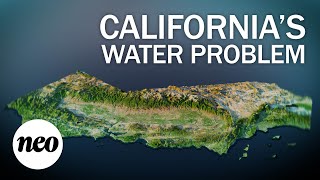
California's Water Emergency: A Complex Crisis Unfolding
The latest U.S. Drought Monitor reveals that nearly 40% of California is experiencing drought conditions, with significant portions facing extreme drought. This data points to a serious water crisis that has evolved over decades and shows no signs of simple resolution. The situation demands careful examination of the interconnected factors that make California's water scarcity both persistent and complex.
The Precarious Sierra Nevada Snowpack
California's water supply traditionally relies on snowmelt from the Sierra Nevada mountains. This seasonal melt provides critical water flow to rivers, reservoirs, and agricultural areas during spring and summer months. However, climate change has dramatically altered this system. The snowpack is melting faster than historical patterns, reducing the natural water storage that valleys and cities depend upon.
Warmer winter temperatures mean less snowfall accumulation and more precipitation falling directly as rain. This shift eliminates the crucial buffer that snowmelt provides, creating a more volatile water distribution pattern. Communities that have historically planned around predictable snowmelt cycles now face increasing uncertainty in their water planning.
Groundwater Depletion in the Central Valley
The Central Valley, California's agricultural heartland, faces one of the most visible aspects of the state's water crisis: over-pumped groundwater. Decades of intensive agricultural activity have drawn down aquifers faster than natural recharge rates can replenish them. Satellite data has revealed that some areas of the valley are sinking at rates of several inches per year due to excessive groundwater extraction.
This subsidence not only depletes a critical water resource but also damages irrigation infrastructure and reduces the valley's overall land value. The situation has prompted emergency regulations and sustainability plans, but balancing agricultural needs with long-term groundwater health remains a significant challenge.
Colorado River Constraints
For Southern California and many southwestern communities, the Colorado River represents a vital water source. However, the river system is entering its 23rd consecutive year of drought, the longest recorded in its history. Reduced flow from upstream states and declining reservoir levels have forced California to cut its water deliveries from the river multiple times in recent years.
Lake Mead, the primary storage facility for Colorado River water in the region, has dropped to historically low levels. These constraints affect millions of residents and countless agricultural operations that depend on this water supply. The situation highlights how California's water crisis extends beyond state borders to encompass regional and national water management challenges.
Differential Impacts Across California
The water crisis affects different regions of California in distinct ways. Urban areas like Los Angeles and San Francisco have implemented aggressive conservation programs and diversified their water sources. These cities have invested heavily in water recycling, desalination, and stormwater capture systems.
Rural communities and agricultural areas often lack the resources for similar infrastructure investments. Small farming operations may struggle with the costs of more water-efficient irrigation systems or drought-resistant crops. Native American tribes face particular challenges, as treaty rights and water access intersect in complex ways that can limit adaptation options.
Environmental and Economic Consequences
The water crisis extends beyond human communities to affect California's ecosystems. Reduced snowpack and altered river flows impact salmon migration patterns, a critical concern for both commercial fishing and tribal communities. Wetland areas that serve as crucial habitats for migratory birds are drying at unprecedented rates.
Agricultural economists estimate that ongoing drought conditions have cost the state billions in lost crop revenue. Water restrictions and shortages force farmers to abandon crops or switch to less profitable alternatives. These economic pressures ripple through rural communities, affecting not just farmers but also equipment dealers, transport services, and local businesses.
Adaptation and Resilience Efforts
California has responded to its water crisis through a combination of regulatory measures, infrastructure investments, and conservation initiatives. The state's Sustainable Groundwater Management Act represents a significant attempt to address long-term groundwater sustainability through local oversight and regulation.
Investments in water infrastructure continue to grow, with projects ranging from water storage reservoirs to water purification facilities. Technology adoption, including precision agriculture and