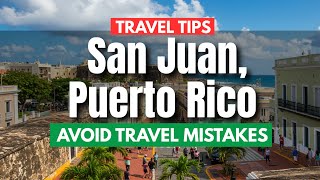
Is There a Travel Warning for Puerto Rico? What Travelers Need to Know
For millions of people planning Caribbean trips, the question "Is there a travel warning for Puerto Rico?" is a top concern. As a U.S. territory, Puerto Rico does not fall under the same broad "do not travel" or "reconsider travel" advisories the U.S. State Department issues for most foreign countries, but targeted alerts for specific risks do appear from time to time. Staying informed of these updates is key to a safe, smooth trip, especially if you’re visiting during peak storm or tourist seasons.
Current Official Travel Advisories for Puerto Rico
Unlike international destinations, Puerto Rico is not assigned a general travel warning level by the U.S. State Department. Instead, the federal government, along with local Puerto Rican authorities, issues targeted alerts for specific, time-sensitive risks. These can include hurricane and severe weather warnings from the National Weather Service, public health advisories from the CDC for seasonal mosquito-borne illness outbreaks, and local safety notices for high-traffic areas. Broad, island-wide travel restrictions are extremely rare, and most alerts are limited to specific regions, time periods, or types of risk.
Common Risks Highlighted in Recent Alerts
The most frequent alerts for Puerto Rico center on three core categories of risk. First, weather-related risks: the island sits in the Atlantic hurricane belt, with official hurricane season running from June 1 to November 30 each year. During this period, the National Weather Service regularly issues storm watches and warnings that can impact travel plans, including flight cancellations, road closures, and power outages in affected areas. Second, petty crime: while violent crime is uncommon in popular tourist zones like Old San Juan, Condado, and the island’s beach towns, pickpocketing, purse snatching, and rental car break-ins are regularly noted in local safety alerts, especially in crowded areas and unguarded parking lots. Third, public health and environmental risks: the CDC occasionally issues health advisories for Puerto Rico related to dengue fever and other mosquito-borne illnesses, especially after heavy rainfall that creates standing water. Local authorities may also issue temporary water boil notices for some rural areas following severe storms, as a precaution against contaminated water supplies.
How to Stay Updated on Travel Alerts for Puerto Rico
The most reliable sources for current travel alerts for Puerto Rico are the U.S. State Department’s official travel page for the island, the Puerto Rico Tourism Company’s website, and local emergency management agencies like the Puerto Rico Emergency Management Agency. If you book your trip through a tour operator or travel agency, they will also typically send notifications if conditions change that impact your itinerary. It is a good practice to check for updates 2 to 4 weeks before your departure date, and again 24 to 48 hours before you leave, as weather and health alerts can shift quickly with little notice.
Tips for a Low-Risk Trip to Puerto Rico
There is no blanket travel warning that restricts travel to Puerto Rico for most visitors, and the island welcomes millions of tourists each year without incident. To avoid common mistakes and minimize risk, follow a few basic guidelines:
- Purchase comprehensive travel insurance that covers trip cancellations due to weather, medical emergencies, and emergency evacuation, especially if you are traveling during hurricane season.
- Keep valuables out of sight in rental cars and use hotel safes for passports, extra cash, and expensive electronics when exploring.
- Follow all local guidance during storm events, including evacuation orders if they are issued for your area.
- Stick to well-populated, well-lit areas after dark, and avoid isolated beaches or side streets unless you are with a trusted local guide.
In short, there is no ongoing, broad travel warning for Puerto Rico that would deter most travelers from visiting. Targeted alerts for specific, temporary risks are common, but they rarely impact the full island or the majority of tourist itineraries. By checking official alert sources before and during your trip, and taking basic safety precautions, you can enjoy everything Puerto Rico has to offer with minimal hassle.