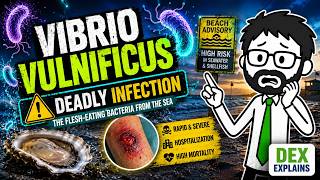
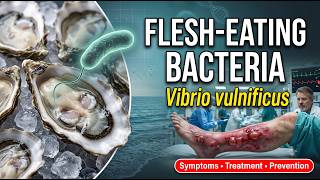
Understanding Vibrio Vulnificus
While many people associate ocean dangers with large predators, some of the most significant risks are microscopic. Vibrio vulnificus is a bacterium that naturally inhabits warm coastal waters, particularly in brackish environments where saltwater mixes with freshwater. While it may not affect everyone, this pathogen can cause severe, life-threatening infections in vulnerable individuals, making prevention a critical priority for beachgoers and seafood lovers.
The bacteria typically enter the human body through two primary routes: the ingestion of contaminated food—most commonly raw or undercooked shellfish—and the entry of contaminated seawater into open wounds or cuts on the skin. Because the bacteria thrive in warmer temperatures, the risk of infection typically increases during the summer months.
Preventing Infection Through Diet
One of the most common ways people contract Vibrio vulnificus is by consuming raw seafood, especially oysters. Because these shellfish filter water to feed, they can concentrate the bacteria within their tissues.
To minimize your risk when eating seafood, follow these safety guidelines:
- Cook shellfish thoroughly: Heat is the most effective way to kill Vibrio bacteria. Ensure that oysters, clams, and mussels are steamed or boiled until their shells open and the meat is cooked through.
- Avoid raw seafood if you are high-risk: Individuals with compromised immune systems or certain chronic health conditions should strictly avoid raw or undercooked shellfish.
- Purchase from reputable sources: Buy seafood from vendors who follow strict temperature controls and safety regulations to prevent bacterial growth during transport and storage.
Safe Water Activities and Wound Care
Direct contact with seawater can also lead to infection. When the bacteria enter a break in the skin, they can cause rapid tissue damage and, in severe cases, lead to systemic bloodstream infections.
If you enjoy swimming, surfing, or boating in coastal areas, implement these protective measures:
- Cover open wounds: Use waterproof bandages to seal any cuts, scrapes, or surgical incisions before entering the ocean. If a bandage is not available, it is safest to avoid the water entirely until the skin has healed.
- Wash immediately after exposure: If you have a wound that comes into contact with seawater, wash the area thoroughly with clean, fresh water and soap as soon as possible.
- Be mindful of the season: Be extra cautious during the peak of summer when water temperatures are highest, as this is when the bacteria are most active and prevalent.
Identifying High-Risk Groups
While anyone can potentially be infected, Vibrio vulnificus is far more dangerous for specific populations. Understanding if you fall into a high-risk category is a key part of prevention.
People at an increased risk for severe infection include those with:
- Liver disease: This includes cirrhosis or chronic hepatitis, as the liver plays a vital role in filtering the blood and fighting certain types of bacteria.
- Immunocompromised states: Individuals undergoing chemotherapy, those with HIV/AIDS, or people taking immunosuppressant medications are more susceptible.
- Diabetes: Chronic metabolic conditions can impair the body's natural immune response and slow the healing of skin wounds.
- Chronic kidney disease: Impaired renal function can weaken the overall ability of the body to manage systemic infections.
When to Seek Medical Attention
Early intervention is critical because Vibrio vulnificus infections can progress with alarming speed. If you have been in warm seawater or have eaten raw shellfish and notice the following symptoms, seek emergency medical care immediately:
- Skin changes: Rapidly developing redness, swelling, or the appearance of blisters (bullae) around a wound.
- Systemic symptoms: High fever, chills, nausea, or a general feeling of extreme malaise.
- Severe pain: Intense pain at the site of a skin injury that seems disproportionate to the visible wound.
By