How To Make Homemade Watercolor Paints Using Natural Foraging Pigments
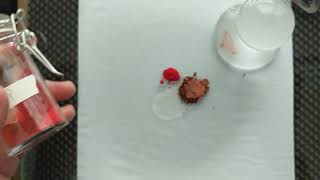
Creating your own watercolor paints from foraged pigments is a rewarding way to connect with nature while expanding your artistic toolkit. In the third and final video of a three‑part series tutorial, I walk through each step from gathering wild colors to testing the finished paint on paper. Below is a written companion that outlines the process, supplies, and safety tips you need to start making vibrant, earth‑derived watercolors at home.
Why Choose Natural Pigments?
Natural pigments offer several advantages over commercial alternatives:
- Unique hues that reflect local flora, minerals, and fungi.
- Eco‑friendly production with minimal synthetic chemicals.
- Educational value—you learn about plant identification, extraction methods, and the chemistry of binders.
When you harvest pigments responsibly, you also support biodiversity and encourage sustainable foraging practices.
Gathering Your Foraged Pigments
Before you head out, familiarize yourself with local regulations and ensure that the plants or minerals you collect are not protected or endangered. Here are common sources:
- Flower petals – marigold, dandelion, and hibiscus yield bright yellows, oranges, and reds.
- Leaves and stems – spinach, beetroot, and walnut shells produce deep greens and browns.
- Mineral deposits – iron oxides (rust) give earthy reds, while chalk provides a soft white.
- Fungi – certain lichens and mushrooms contain natural dyes that range from blues to purples.
Collect only small amounts (no more than a handful per species) and clean each specimen with a gentle rinse of water to remove dirt and insects.
Preparing the Pigment
Once you have your raw material, the pigment must be dried and ground into a fine powder. Follow these steps:
- Drying: Spread the plant parts on a screen in a single layer. Place the screen in a well‑ventilated area away from direct sunlight for 2–3 days, or use a low‑heat oven (below 95°C/200°F) for faster results.
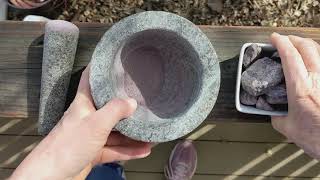
- Grinding: Transfer the dried material to a mortar and pestle. Grind until the mixture feels like fine sand. For larger batches, a coffee grinder dedicated to craft use can speed up the process.
- Sieving: Pass the ground pigment through a fine mesh (approximately 100 µm) to remove larger particles. Store the sifted powder in an airtight container.
Note: Some pigments, such as iron oxide, may require additional