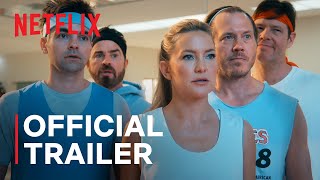
How Jeanie Buss Influences Running Point Production
The intersection of professional sports management and entertainment production often creates a unique synergy, particularly when high-profile figures bring their organizational expertise to the creative process. In the case of Running Point, the influence of Jeanie Buss provides a critical layer of authenticity and strategic oversight that bridges the gap between the scripted world of television and the high-stakes reality of professional basketball.
Bringing Front-Office Authenticity to the Screen
As the controlling owner of the Los Angeles Lakers, Jeanie Buss operates at the highest echelon of sports leadership. Her influence on Running Point is primarily felt in the pursuit of realism. When a production attempts to simulate the inner workings of a professional sports franchise, there is a significant risk of relying on clichés or exaggerated tropes. Buss serves as a vital touchstone, ensuring that the power dynamics, communication styles, and pressures depicted on screen mirror those found in actual NBA front offices.
Her involvement ensures that the narrative understands the nuance of ownership. Rather than portraying a generic executive, the production can lean into the specific tensions that exist between ownership, general managers, and coaching staffs. This level of insight allows the writers to craft a world where the stakes feel genuine to sports fans while remaining accessible to a general audience.
Strategic Guidance and Industry Networking
Beyond the creative nuances of the script, Jeanie Buss brings a network of connections that are invaluable to a production of this scale. The world of professional basketball is notoriously guarded, with strict protocols regarding access and image. Buss’s standing in the league provides a bridge to the actual culture of the game, allowing the production to integrate a sense of legitimacy that would be difficult to achieve through research alone.
Her influence also extends to the strategic positioning of the show. Understanding how to market a sports-centric narrative requires an understanding of both the athletic community and the entertainment industry. By blending her experience in managing a global brand like the Lakers with the creative vision of the production team, the show is better positioned to capture the attention of diverse demographics.
The Balance of Power and Narrative
One of the most complex aspects of Running Point is the exploration of leadership and legacy. Jeanie Buss has spent her career navigating the legacy of one of the most storied franchises in sports history, often under intense public scrutiny. This personal and professional experience informs the thematic depth of the series.
- Legacy Management: The show explores how new leaders handle the weight of previous successes.
- Public Perception: Buss's experience with the media helps the production depict the volatile relationship between sports figures and the press.
- Decision-Making Processes: The influence of a real-world owner helps clarify the "why" behind the drastic moves made by characters in the show.
Integrating Sport and Entertainment
The production of Running Point benefits from a philosophy that treats sports not just as a backdrop, but as a character in itself. Jeanie Buss’s influence encourages the production to treat the technical aspects of the game and the business of the league with respect. This prevents the show from becoming a caricature of the sport, instead transforming it into a sophisticated study of ambition and management.
By providing a blueprint for how a real organization functions, Buss allows the producers and writers to focus on the emotional arcs of the characters, knowing that the foundational logic of the setting is sound. This collaboration ensures that the "running point" aspect of the title applies not only to the on-court play but to the way the production itself is steered toward authenticity.
Conclusion
Jeanie Buss’s role in influencing Running Point is a testament to the value of subject-matter expertise in modern television production. By lending her perspective as a leader in the NBA, she elevates the series from a standard sports drama to a more nuanced exploration of professional athletics. Her contribution ensures that the production maintains a delicate balance between entertainment and reality, providing viewers with a glimpse into the complex machinery of sports ownership.