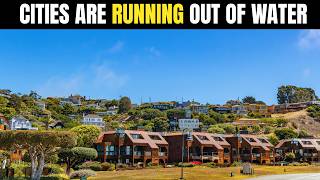
Understanding Water Scarcity in California
Water scarcity is a pressing issue that affects many regions around the world, but few places experience its impacts as dramatically as California. The state's unique geography and climate make it particularly vulnerable to water shortages, which have become increasingly common in recent decades. From the Central Valley's agricultural heartland to the bustling cities of Southern California, communities are feeling the pinch of dwindling water resources.
The Current State of California's Water Crisis
The latest U.S. Drought Monitor shows nearly 40% of California experiencing varying degrees of drought conditions. This widespread dryness has created a cascade of challenges for the state's residents, businesses, and ecosystems. While California has faced periodic droughts throughout its history, the current situation appears to be part of a long-term trend rather than isolated dry spells.
The state's water supply relies heavily on a complex system of reservoirs, aqueducts, and groundwater basins. When precipitation falls short of expectations, this intricate network struggles to maintain adequate levels for all users. The problem is compounded by the fact that California's population continues to grow while climate change brings unpredictable weather patterns.
Agricultural Impacts
California's agricultural sector is perhaps the most visible victim of water scarcity. The state produces over $50 billion worth of crops annually, making it the most valuable agricultural region in the United States. However, when water becomes scarce, farmers face difficult choices about which crops to plant and how much to irrigate.
Drought conditions force farmers to fallow fields, which means leaving land uncultivated for one or more growing seasons. This practice not only reduces immediate crop yields but also threatens long-term soil health and farm viability. Rural communities that depend on agricultural employment also suffer when farms reduce their operations.
The economic ripple effects extend far beyond the fields themselves. Reduced agricultural output affects food prices throughout the nation, as California supplies a significant portion of many common vegetables and fruits. Processing plants, transportation services, and retail establishments all feel the impact when farmgate prices drop due to reduced yields.
Urban and Municipal Challenges
Amidst the agricultural challenges, California's cities and suburbs grapple with their own water scarcity problems. Growing populations strain existing water infrastructure, which already faces aging pipes and inefficient distribution systems. During drought restrictions, residents face mandatory water use limitations that affect everything from lawn watering to car washing.
Municipal water agencies must carefully balance supply and demand while managing costs for ratepayers. Some communities invest in water recycling facilities and desalination plants as alternative sources, though these solutions often come with significant price tags. The economic burden falls disproportionately on lower-income households, who may struggle to afford higher water bills or upgrade inefficient appliances.
Cities like Los Angeles and San Francisco have implemented progressive water conservation programs, but even with public cooperation, meeting all needs during extended dry periods remains challenging. Emergency water supplies, such as groundwater banking and intercity transfers, become critical components of urban water management strategies.
Environmental Consequences
Water scarcity doesn't just affect human activities; it profoundly impacts California's natural ecosystems as well. Wildlife habitats shrink as water sources dry up, forcing animals to migrate or face population declines. Fish species, particularly those dependent on freshwater environments, struggle to survive in increasingly hostile conditions.
The state's iconic salmon runs have been particularly affected by low water conditions in rivers and streams. Reduced flows make it difficult for juvenile fish to reach the ocean, while adult fish may find it impossible to return to their spawning grounds. This disruption affects not only the fish populations but also the communities that depend on commercial and recreational fishing.
Forests and woodlands also experience stress during prolonged droughts. Trees with limited water access become more susceptible to disease and insect infestations. Wildfires, already a common occurrence in California, become more frequent and intense when vegetation remains dry for extended periods. The interconnected nature of these environmental changes creates feedback loops that can accelerate ecosystem degradation.
Long-Term Solutions and Adaptation Strategies
Addressing California's