How Does El Nino Affect Winter
El Nino is one of the most powerful climate patterns on Earth, and its influence on winter weather is both profound and far-reaching. Every few years, sea surface temperatures in the central and eastern tropical Pacific Ocean rise well above average, triggering a cascade of atmospheric changes that reshape weather patterns across the globe. For meteorologists and the general public alike, understanding how El Nino affects winter helps explain why some seasons feel unusually mild while others bring relentless storms and freezing conditions.
The Mechanism Behind El Nino Winters
At its core, El Nino occurs when trade winds that normally blow from east to west across the Pacific weaken or reverse direction. This allows warm water to pile up along the western coast of the Americas, fundamentally altering the standard atmospheric circulation. The shift in ocean temperature disrupts the jet stream, a fast-flowing river of air high in the atmosphere that acts as a steering current for weather systems. When the jet stream reorganizes during an El Nino winter, it directs storm tracks differently than usual, producing dramatic regional effects.
Winter Effects Across North America
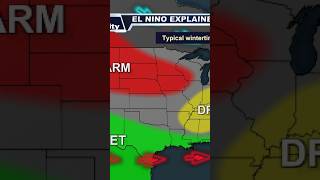
One of the most consistent winter impacts of El Nino in North America is a wetter and stormier southern tier. States from California to Florida often experience above-average rainfall and increased chances of flooding during strong El Nino winters. The Pacific jet stream extends farther east than normal and dips southward, tapping moisture from the Pacific Ocean and delivering it to the southern United States. This pattern frequently leads to atmospheric rivers along the West Coast, which can dump enormous amounts of precipitation in a short period.
Meanwhile, the northern tier of the United States tends to see milder winter temperatures during El Nino events. The altered jet stream configuration keeps cold Arctic air locked farther north, meaning states like Montana, North Dakota, and Minnesota often enjoy warmer-than-normal conditions. For ski resorts in the northern Rockies and Great Lakes region, this can translate into reduced snowfall and earlier spring thaws.
The story is more nuanced for the interior and central plains. These regions sometimes see near-average temperatures but can experience increased storminess as the split jet stream creates overlapping zones of influence. Tornado outbreaks in the Southeast and Great Plains during winter months have been observed to increase under certain El Nino conditions.
Global Winter Impacts Beyond North America
El Nino does not limit its influence to North America. Around the world, winter brings its own signature changes. In South America, the coast of Peru and Ecuador typically sees heavy rainfall and warm ocean conditions that can devastate local fishing industries. In contrast, parts of Australia, Indonesia, and the Philippines often face drier conditions and heightened wildfire risk.
Europe also feels the ripple effects, though the connection is less direct and more variable. Some winters see milder, wetter conditions in northern Europe, while southern regions like Spain and Italy may experience drier spells. The exact outcome depends on how El Nino interacts with other climate modes, such as the North Atlantic Oscillation.
Why Each El Nino Winter Feels Different
Despite the general patterns described above, it is important to recognize that not every El Nino winter plays out identically. The strength of the event matters significantly. A moderate El Nino produces subtler shifts, while a strong or extreme event like those seen in 1997-1998 and 2015-2016 can create dramatic and sometimes unprecedented weather anomalies. Other climate factors, including the Pacific Decadal Oscillation and Indian Ocean temperature patterns, can amplify, dampen, or modify El Nino's winter influences.
Additionally, climate change