Hormuz Strait Closure Impact On India
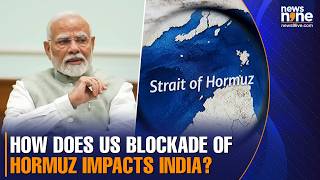
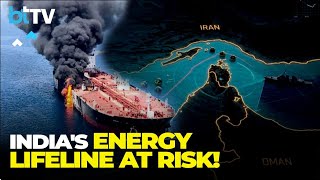
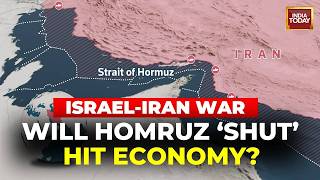
The strategic waterway connecting the Gulf of Oman to the Persian Gulf has emerged as a critical flashpoint in the escalating tensions between the United States-Israel coalition and Iran. As conflict intensifies in the region, the potential closure of this vital maritime chokepoint poses significant risks to India's energy security and broader economic interests.
The Strategic Importance of Hormuz Strait
The Hormuz Strait serves as one of the world's most crucial maritime arteries, carrying approximately 21 percent of global seaborne oil trade daily. At its narrowest point, the strait is just 21 nautical miles wide, making it highly vulnerable to blockade or disruption. The waterway handles an estimated 17 million barrels of oil per day, with significant portions destined for Asian markets including India.
India's Energy Dependence on Gulf Oil
India's relationship with Gulf oil is deeply entrenched. The country imports roughly 80 percent of its petroleum requirements, with the majority sourced from the Middle East. Annual crude oil imports from countries bordering the Hormuz Strait exceed 15 million barrels, making India heavily reliant on uninterrupted maritime transit through this corridor. A disruption in this supply chain would immediately impact India's fuel prices, manufacturing sectors, and transportation networks.
Economic Ripple Effects on Indian Trade
Beyond energy imports, India's trade relationship with Gulf nations extends to numerous sectors including textiles, gems and jewelry, and pharmaceuticals. A closure of the strait would not only halt oil shipments but also interrupt the flow of goods between India and its trading partners in the region. The economic fallout would reverberate through Indian ports, logistics networks, and industrial clusters dependent on Gulf trade.
Geopolitical Implications for India's Regional Strategy
India's position in the ongoing conflict is complex. While maintaining strategic partnerships with both the United States and various Gulf nations, New Delhi has carefully balanced its diplomatic approach. The India-US relationship has strengthened significantly in recent years through initiatives like the Indo-Pacific strategy, yet India continues to rely heavily on Russian and Middle Eastern energy sources. A closure of Hormuz Strait would force India to rapidly recalibrate its energy procurement strategies while navigating an increasingly volatile geopolitical landscape.
Maritime Security Challenges
The Indian Navy faces immediate operational challenges if the strait were to close. The western fleet would need to adapt to alternative shipping routes, potentially through the longer journey around the Cape of Good Hope, dramatically increasing transit times and costs. Additionally, India's own investments in Gulf region infrastructure, including ports and energy facilities, would become logistically difficult to maintain and access.
Potential Mitigation Strategies
India has been gradually diversifying its energy sources to reduce dependence on any single region. Domestic oil and gas production, imports from Russia and Latin America, and increased focus on renewable energy represent part of this diversification strategy. However, the scale and immediacy of Gulf oil imports mean that alternative sources cannot instantly replace the volume flowing through Hormuz. India may need to accelerate agreements with additional suppliers and explore strategic petroleum reserves to buffer against supply disruptions.
Diplomatic and Economic Response Mechanisms
The Indian government would likely engage in urgent diplomatic efforts to secure access to alternative routes and ensure energy security. Participation in international maritime security initiatives and coordination with regional partners like the International Maritime Organization could become priorities. Economic policies might shift to reduce immediate demand through conservation measures and demand management strategies during any period of supply constraint.
Long-term Strategic Adjustments
The crisis would accelerate India's ongoing strategic shift toward energy independence and supply chain resilience. Investment in domestic refining capacity, strategic reserves, and alternative energy infrastructure would receive heightened priority. India's participation in regional security frameworks would likely expand as the nation seeks to protect its maritime interests and ensure freedom of navigation through critical waterways.
The potential closure of Hormuz Strait represents more than an immediate supply chain disruption; it serves as a catalyst for India to accelerate