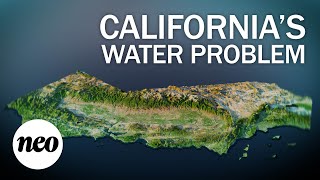
Understanding the Roots of California’s Water Crisis
If you’ve noticed stricter lawn-watering rules, rising residential water bills, or regular news coverage of shrinking reservoirs, you’re seeing the effects of California’s complex, worsening water crisis. Unlike short-term droughts that have periodically hit the state in the past, the current crisis is driven by a combination of long-term climate shifts, over-extraction of limited supplies, and outdated water management systems that haven’t kept pace with the state’s growing population and agricultural output. Recent data from the U.S. Drought Monitor shows nearly 40% of California is currently classified as under drought conditions, a share that has climbed steadily over the last decade as average temperatures rise and precipitation patterns grow more erratic.
Key Stressors Straining the State’s Water Supply
The crisis stems from three overlapping, compounding pressures on the state’s water sources. First, the Sierra Nevada snowpack, which acts as California’s largest natural reservoir, is melting faster and earlier each year due to warmer winter temperatures. This snowpack normally releases cool, steady water into rivers and streams during the hot, dry summer months, when water demand for farming, landscaping, and drinking is at its peak. Earlier melting means most of this water runs off into the ocean before it can be captured and stored for later use.
Second, the Central Valley, California’s agricultural heartland, has relied on groundwater pumping for decades to make up for shortfalls in surface water from rivers and reservoirs. For years, farmers pumped far more water out of underground aquifers than could be naturally replenished by rainfall and snowmelt, leading to critical depletion of these reserves. In some areas, the land has sunk by dozens of feet as aquifers collapse, damaging roads, bridges, and water delivery canals, and making it impossible to refill these underground stores even during wet years.
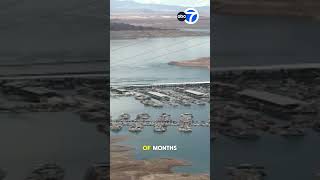
Third, the Colorado River, a critical water source for millions of Californians and vast swathes of the state’s farmland, is in the midst of a historic multi-decade drought. Reservoir levels on the river have dropped to historic lows, forcing federal officials to cut water allocations to California and other western states for the first time in history. Overuse of tributaries of the San Joaquin River, which runs through the Central Valley, has also dried up long stretches of the waterway that once supported local ecosystems, small family farms, and recreational use.
Impacts Felt by Communities and Ecosystems Across the State
The water crisis hits every corner of California, but its effects are felt most acutely by rural farming communities, low-income urban residents, and native ecosystems. Central Valley farmers have fallowed hundreds of thousands of acres of cropland in recent years to cut water use, leading to lost revenue, reduced seasonal work for farm laborers, and the closure of small businesses that rely on agricultural activity. In urban areas, mandatory water use restrictions have become common in many parts of the state, with fines for residents who overwater lawns, wash cars without a shut-off nozzle, or use more than their allocated water supply.
Natural ecosystems have also suffered devastating losses. Native salmon populations, which rely on cold, flowing rivers to spawn, have crashed as summer river temperatures rise and flows drop to trickles. The degradation of the San Joaquin River and its tributaries has also eliminated critical habitat for migratory birds and other native species, reducing the state’s already fragile biodiversity.
Pathways to a More Secure Water Future
Water policy experts, including UC Berkeley water researcher David Sedlak, argue that solving the crisis will require moving beyond short-term emergency measures like temporary watering restrictions to implement long-term, systemic changes to how the state manages and uses water. One of the most promising solutions is expanded water recycling: many California cities are already treating wastewater to potable standards, creating a reliable, local water source that does not depend on rainfall or snowpack. This recycled water can also be used to irrigate crops, recharge groundwater aquifers, or support industrial uses, freeing up fresh water for drinking and high-value agriculture.
Another critical step is sustainable groundwater management, enforced by California’s 2014 Sustainable Groundwater Management Act. The law requires local agencies across the state to develop and implement plans to bring groundwater pumping in line with natural recharge rates, a process that will take decades but is essential to stopping land subsidence and preserving underground reserves for future dry years. Farmers are also adopting more water-efficient practices, including drip irrigation systems that deliver water directly to plant roots, drought-tolerant crop varieties, and soil moisture monitoring tools that reduce unnecessary water waste.
Restoring natural landscapes like wetlands, floodplains, and forested watersheds can also help capture winter rainfall and snowmelt, recharge groundwater supplies, and reduce flood risk during extreme weather events. While there is no single fix for California’s water crisis, a combination of these targeted, evidence-based strategies can help the state build a more resilient, sustainable water system for the decades ahead.