Understanding California Extreme Heat Warnings and Their Health Consequences
When California issues extreme heat warnings, residents face significant health risks that extend far beyond simple discomfort. These warnings signal dangerous conditions that can rapidly escalate into life-threatening situations, particularly for vulnerable populations.
Who Is Most at Risk During Extreme Heat Events
Certain groups face elevated danger during California's intense heat waves. Elderly individuals, especially those over 65, are particularly susceptible due to age-related changes in temperature regulation. Young children and infants cannot effectively communicate distress or regulate their body temperature. People with chronic medical conditions such as heart disease, diabetes, or respiratory illnesses may experience worsening symptoms. Outdoor workers, including agricultural laborers and construction workers, face additional risks from prolonged sun exposure and physical exertion. Individuals taking certain medications, particularly those for blood pressure, mental health, or heart conditions, may have reduced ability to cope with heat stress.
Recognizing Heat-Related Illness Symptoms
Early identification of heat-related problems is crucial for preventing serious complications. Heat exhaustion presents with heavy sweating, weakness, dizziness, nausea, and elevated body temperature. If left untreated, this can progress to heat stroke, a medical emergency characterized by hot, dry skin, confusion, rapid pulse, and potential loss of consciousness. Other warning signs include headache, muscle weakness, and fainting episodes. Children may appear unusually irritable or lethargic, while elderly individuals might show confusion or decreased alertness.
Environmental Factors Amplifying Health Risks
California's extreme heat events often involve additional environmental dangers that compound health threats. High humidity levels can severely limit the body's ability to cool itself through sweating. Urban heat islands create temperatures several degrees higher in built-up areas compared to rural regions. Poor air quality often accompanies intense heat, creating dual respiratory and heat stress challenges. Power outages during peak demand periods can eliminate access to cooling systems, leaving residents without essential air conditioning or medical equipment.
Preventive Measures and Protective Strategies
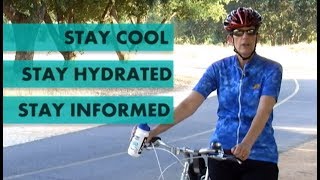
Proactive steps can significantly reduce heat-related health risks. Staying hydrated with water or sports drinks helps maintain bodily functions, though alcohol and caffeine should be avoided during extreme heat. Limiting outdoor activities to early morning or evening hours reduces exposure to peak temperatures. Seeking air-conditioned public spaces such as libraries, community centers, or shopping malls provides essential relief. Closing curtains or blinds during daylight hours and using fans or air conditioning when available helps maintain cooler indoor temperatures.
When to Seek Immediate Medical Attention
Any signs of heat stroke require immediate emergency response. Call 911 or your local emergency number without delay. For suspected heat exhaustion, seek medical care if symptoms worsen or fail to improve with rest and cooling measures. Particularly concerning are breathing difficulties, chest pain, or severe headache that persists despite cooling efforts.
Community Resources and Support Systems
California communities offer various resources during extreme heat events. Cooling centers provide air-conditioned spaces for those without adequate home cooling. Public libraries, community centers, and some businesses open their doors to the public during dangerous heat periods. Medication schedules may need adjustment during extreme heat, so consulting healthcare providers in advance is advisable. Many areas also have heat response programs that check on vulnerable residents during dangerous conditions.
Mental Health Considerations During Extended Heat Waves
Extended extreme heat events create additional stress beyond physical health impacts. Anxiety about power outages, financial strain from increased utility bills, or displacement from cooling centers can affect mental wellbeing. Maintaining communication with family members, particularly those living alone, helps identify problems early. Simple activities like drinking adequate fluids, taking cool showers, and staying informed through official weather sources can provide a sense of control during dangerous conditions.
California's extreme heat warnings demand serious attention and preparation. By understanding risk factors, recognizing symptoms early, and taking appropriate protective measures, residents can significantly reduce their vulnerability during these dangerous events. The key is preparation before warnings are issued and vigilance during peak danger periods.