Guide To James Bond Actors And Their Characters
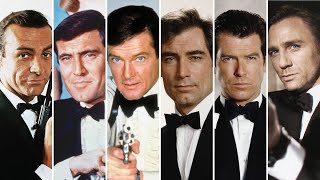
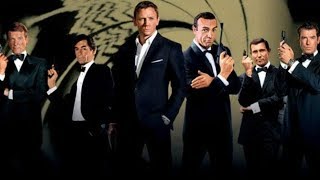
For over six decades, the character of James Bond has remained a global symbol of sophistication, danger, and espionage. While the core identity of Agent 007—the tuxedo, the martini, and the license to kill—remains constant, each actor who has stepped into the role has brought a distinct personality and set of skills to the character. Understanding the evolution of these actors helps illustrate how the character of Bond has shifted to reflect the cultural values of different eras.
Sean Connery: The Blueprint of 007
Sean Connery was the first actor to bring James Bond to the silver screen, establishing the definitive image of the secret agent. Connery's Bond was characterized by a blend of rugged masculinity and effortless charm. He portrayed Bond as a man of action who was equally comfortable in a high-stakes poker game as he was in a brutal hand-to-hand fight.
During his tenure, Bond was presented as a cold, calculating professional. Connery introduced the world to the "gentleman spy," emphasizing a certain level of detachment and irony that became hallmarks of the franchise. His performance set the standard for every actor who followed, defining the physical and verbal cadence of the character.
George Lazenby: The Brief Departure
Following Connery's initial departure, George Lazenby stepped into the role for a single film. Lazenby's interpretation of Bond focused more heavily on the emotional vulnerability of the character. His Bond explored themes of love and domesticity, questioning whether a man in 007's line of work could ever truly settle down.
While his time in the role was short, Lazenby provided a glimpse into a more human side of Bond, moving away from the untouchable archetype and showing that even a super-spy could be susceptible to heartbreak.
Roger Moore: The Sophisticated Diplomat
Roger Moore transitioned the character into a more lighthearted and polished version of the spy. Moore's Bond was less about raw power and more about wit, diplomacy, and high-society elegance. Under his portrayal, the films leaned further into the "gadgetry" and camp elements of the series.
Moore's Bond was a master of the quip, often using humor to disarm his enemies. He embodied the luxury of the jet-set lifestyle, making Bond feel more like a worldly aristocrat than a gritty intelligence officer. This era of the character focused on the glamour of international espionage.
Timothy Dalton: The Gritty Realist
In a sharp turn away from the levity of the Moore years, Timothy Dalton sought to return Bond to the roots of Ian Fleming's original novels. Dalton's Bond was darker, more cynical, and visibly burdened by the morality of his profession.
He portrayed Bond as a man who disliked the "blunt instrument" nature of his job, bringing a level of intensity and psychological depth to the role. While less focused on the gadgets and jokes, Dalton's character was a more realistic depiction of a government assassin operating in a cold war environment.
Pierce Brosnan: The Modern Hybrid
Pierce Brosnan entered the franchise during a period of transition, blending the charm of Roger Moore with the action-oriented intensity of Sean Connery. Brosnan's Bond was the ultimate modern professional—slick, capable, and highly adaptable.
His version of the character navigated the post-Cold War world, dealing with rogue agents and global conspiracies. Brosnan managed to maintain the traditional elegance of 007 while updating the action sequences for a new generation of cinema-goers, ensuring the character remained relevant in the 1990s and early 2000s.
Daniel Craig: The Humanized Agent
Daniel Craig provided the most significant reimagining of James Bond in the series' history. Rather than stepping into a pre-established mold, Craig's Bond began as a raw, unrefined agent who had to earn his 00 status. This era introduced a continuous narrative arc, exploring