What Is GraphQL?
GraphQL is an open‑source query language and runtime for APIs, originally developed by Facebook in 2012 and released publicly in 2015. Unlike traditional REST endpoints, GraphQL lets clients request exactly the data they need—and nothing more—through a single, flexible endpoint. This approach reduces over‑fetching and under‑fetching, improves performance on mobile and web applications, and simplifies the evolution of APIs over time.
How GraphQL Works
At its core, GraphQL operates on three concepts:
- Schema: A contract that defines types, fields, and relationships. The schema is written in the GraphQL Schema Definition Language (SDL) and serves as a single source of truth for both client and server.
- Query: A client‑side request that specifies the exact shape of the data required. Queries are validated against the schema before execution.
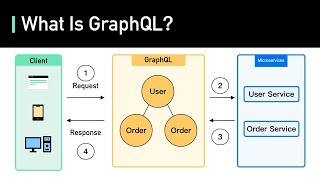
- Resolver: Server‑side functions that fetch data for each field in the query. Resolvers can pull from databases, microservices, or any other data source.
When a query is received, the GraphQL engine validates it, executes the corresponding resolvers, and returns a JSON response that mirrors the structure of the query. This predictable response format makes it easy for developers to build robust front‑end applications.
Learn How to Use GraphQL
If you are new to GraphQL, start with a simple “Hello, World” example. Install the graphql package for your language of choice (Node.js, Python, Java, etc.), define a schema with a type Query that returns a string, and write a resolver that returns “Hello, GraphQL!”. From there, expand the schema to include objects, relationships, and arguments.
In a brief video I will be explaining the step‑by‑step process of creating a basic GraphQL server using Node.js and Apollo Server. The video demonstrates how to:
- Define a schema with type definitions.
- Write resolver functions that fetch data.
- Run the server and test queries with GraphQL Playground.
Following this tutorial will give you the confidence to build more complex queries, mutations, and subscriptions.
GraphQL in a Real‑World API Strategy
Many enterprises combine GraphQL with API management platforms to secure, monitor, and monetize their services. IBM API Connect, for example, allows you to create, manage, secure, socialize and monetize APIs while supporting GraphQL alongside REST. By publishing a GraphQL API through IBM API Connect,