Flock Cameras Deutschland: What You Need to Know About Automated License Plate Surveillance
The conversation around intelligent vehicle surveillance is no longer confined to North America. As automated license plate recognition technology continues to evolve, German cities, neighborhoods, and private properties are beginning to explore whether systems like those offered by Flock Safety could have a place in the European context. Understanding the technology, the legal landscape, and the practical implications is essential for anyone considering deployment in Germany.
What Are Flock Cameras?
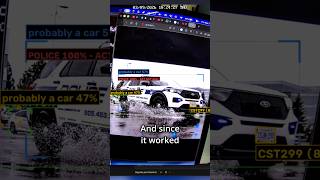
Flock Safety produces networked camera systems designed primarily for parking lots, shopping centers, residential communities, and private roads. Unlike traditional CCTV, these devices automatically capture and read license plates, cross-referencing them against databases of stolen vehicles, amber alerts, and registered offenders. The hardware is built to operate continuously, uploading encrypted data to cloud-based dashboards that allow property managers and law enforcement to receive real-time alerts.
The core appeal lies in scalability and automation. A single system can monitor hundreds of vehicles per hour without requiring constant human oversight, making it attractive for large facilities and homeowners' associations seeking enhanced security without proportional increases in staffing.
The German Regulatory Landscape
Any discussion of Flock cameras in Deutschland must begin with data protection. Germany operates under the General Data Protection Regulation (GDPR) and maintains some of the strictest national privacy laws in Europe. The Bundesdatenschutzgesetz and state-level equivalents impose significant requirements on how personal data—including license plate readings, which qualify as personal information—can be collected, stored, and shared.
Key considerations include:
- Lawful basis for processing: Public authorities and private entities must identify a valid legal ground before deploying license plate readers. Consent, legitimate interest, and statutory obligation are the most commonly cited bases, though each carries specific documentation requirements.
- Data retention limits: German regulators typically expect data to be deleted as soon as it is no longer necessary. Indefinite storage of license plate images or parsed plate numbers is unlikely to comply with current standards.
- Transparency obligations: Individuals generally have the right to know when and why their vehicle data is being processed. Clear signage and accessible privacy notices are standard expectations.
- Special category data: Patterns of movement derived from repeated license plate reads can reveal sensitive information about religious attendance, political activity, or health visits. This raises the bar for justification significantly.
Private vs. Public Deployment
In the United States, much of Flock's growth has come through partnerships with suburban homeowners' associations and private residential communities. In Germany, similar private deployments face the same GDPR framework but operate within a cultural context where community-based mass surveillance is viewed more skeptically. Neighbors may raise objections, and local data protection officers can issue binding rulings.
Public sector deployment presents an entirely different set of questions. German municipalities already operate extensive traffic monitoring infrastructure under strict federal and state oversight. Introducing a new technology into this existing ecosystem requires coordination with multiple authorities, including the local Datenschutzbeauftragter, and often involves prolonged public consultation periods.
Practical Applications Worth Considering
Despite regulatory hurdles, there are legitimate use cases where Flock-style technology could add value in Germany. Industrial parks and commercial properties with controlled access points could benefit from automated visitor logging and stolen vehicle screening. Universities and hospital campuses with high turnover and complex parking structures are natural candidates. Event venues hosting large gatherings may find real-time alert capabilities useful for security coordination.
Perhaps the most promising avenue involves collaboration with local police on targeted operations rather than blanket surveillance. When license plate data is used specifically to locate stolen vehicles or wanted persons—rather than for general monitoring—it aligns more closely with German legal precedents that permit limited data processing for concrete law enforcement purposes.
Looking Ahead
The adoption of Flock cameras in Deutschland will likely proceed gradually, shaped by court rulings, regulatory guidance, and shifts in public opinion. German data protection authorities have signaled willingness to evaluate emerging technologies on a case-by-case basis rather than issuing blanket prohibitions. This means that thoughtful, compliant deployments are possible—but they require careful planning, transparent communication with affected individuals, and a genuine commitment to minimizing data collection to what is strictly necessary.
For property managers, community leaders, and policymakers evaluating these systems, the central question is not whether the technology works—it does. The real challenge is ensuring it works within the boundaries of German and European law while maintaining public trust.