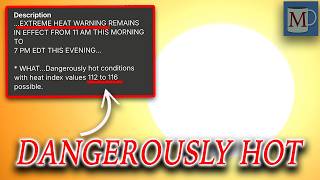
Understanding the Difference Between an Extreme Heat Warning and a Heat Advisory
When temperatures climb during the summer months, weather alerts become an essential tool for staying safe. However, many people are confused about what the different heat-related alerts actually mean and how they differ from one another. Two of the most common alerts you will encounter are the extreme heat warning and the heat advisory. While they may sound similar, there are important distinctions between the two that can affect how seriously you should take them and what precautions you need to put in place.
What Is a Heat Advisory?
A heat advisory is issued when high temperatures and humidity levels are expected to create conditions that could be uncomfortable or slightly dangerous for vulnerable populations. Typically, a heat advisory is in effect when the heat index — which combines temperature and humidity to reflect how hot it feels outside — is forecast to reach between 105 and 110 degrees Fahrenheit for at least two hours during the daytime.
During a heat advisory, the risk of heat-related illness is elevated but not as severe as it would be under a warning. Most healthy individuals can manage with basic precautions, but those who are older, very young, or have certain health conditions should take extra care. This is the level of alert where you should start thinking about reducing outdoor activities, staying hydrated, and keeping your living space cool.
What Is an Extreme Heat Warning?
An extreme heat warning is a more serious declaration that signals dangerous, life-threatening heat conditions are either occurring or are imminent. This alert is typically issued when the heat index is expected to reach 110 degrees Fahrenheit or higher, often sustained over an extended period. Unlike a heat advisory, an extreme heat warning demands immediate and heightened action on your part.
The difference comes down to severity and urgency. An extreme heat warning means the environment poses a real and immediate threat to human health. Heat stroke, heat exhaustion, and other heat-induced illnesses can develop rapidly under these conditions. Experts emphasize that during an extreme heat warning, you should limit any outdoor exertion entirely, seek air-conditioned environments whenever possible, and check on neighbors and relatives who may be at greater risk.
Key Differences at a Glance
- Temperature thresholds: A heat advisory generally kicks in at lower temperatures than an extreme heat warning. The advisory covers the 105 to 110 degree range, while the warning applies to temperatures at or above 110 degrees Fahrenheit.
- Duration and intensity: Extreme heat warnings often account for both the intensity of the heat and the length of time it will persist. A multi-day extreme heat event is far more dangerous than a single afternoon of hot weather because the body does not get a chance to recover.
- Risk level: Heat advisories signal a moderate risk. Extreme heat warnings signal a high to critical risk, particularly for children, elderly adults, outdoor workers, and people with chronic illnesses.
- Recommended actions: A heat advisory calls for increased caution. An extreme heat warning calls for urgent protective measures, including staying indoors during peak heat hours and avoiding strenuous activity altogether.
Why the Distinction Matters
Knowing the difference between these two alerts is not just about understanding meteorology terminology — it is about protecting your health and the health of your community. When residents recognize that a warning is significantly more dangerous than an advisory, they are more likely to respond appropriately and take the threat seriously.
Healthcare professionals consistently stress that heat-related deaths and hospitalizations are largely preventable. Many people assume they can simply tough out extreme heat, but the body can fail quickly when temperatures soar. Recognizing the early signs of heat illness — heavy sweating followed by a sudden stop in sweating, dizziness, nausea, rapid pulse, and confusion — can be the difference between a minor episode and a medical emergency.