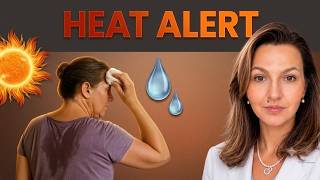
Understanding Extreme Heat Warning Signs
When temperatures soar to dangerous levels, recognizing the warning signs becomes a matter of life and death. Each summer, more than 700 people in the United States lose their lives to heat-related illnesses, making extreme heat one of the deadliest weather hazards. These warning signs aren't just uncomfortable—they can signal a serious medical emergency that requires immediate attention.
Physical Warning Signs to Watch For
The most common physical indicators of dangerous heat exposure include excessive sweating, which may suddenly stop as the body becomes overwhelmed. You might experience profuse sweating followed by an absence of sweat, a dangerous sign that the body's cooling system is failing. Other symptoms include dizziness, nausea, headache, muscle cramps, and weakness. Skin may appear pale, cool, and clammy, or alternatively, become hot and dry as heat stroke progresses. Rapid heartbeat and breathing are also common indicators that your body is struggling under extreme temperature stress.
Behavioral Changes and Cognitive Impairment
As heat stress worsens, mental and behavioral changes often appear before physical symptoms become severe. Confusion, disorientation, and difficulty concentrating are red flags that warrant immediate action. You might feel unusually irritable or unable to make decisions, which can lead to dangerous situations. Some people experience unusual fatigue that doesn't improve with rest, or sudden weakness that makes even simple tasks difficult. These cognitive changes indicate that your core body temperature may be rising to dangerous levels.
Who Is Most Vulnerable
Certain groups face significantly higher risks during extreme heat events. Children, especially those under four years old, are particularly susceptible because they sweat less and their bodies heat up faster. Elderly individuals may not feel as much discomfort from high temperatures and often take medications that impair their ability to regulate body temperature. People with chronic medical conditions such as heart disease, diabetes, or respiratory problems are at increased risk. Outdoor workers, individuals without air conditioning, and those living alone are also more vulnerable to heat-related illness.
Immediate Actions to Take
When you recognize heat warning signs, swift action is essential. Move immediately to a cooler, shaded area or an air-conditioned space. Begin cooling measures right away by removing excess clothing, applying cool or wet cloths to the skin, and fanning vigorously. Seek medical attention if symptoms persist or worsen. For suspected heat stroke, which can be life-threatening, call emergency services immediately. Don't wait for symptoms to resolve completely—heat-related illnesses can escalate rapidly.
Prevention Strategies for Future Events
Prevention remains your best defense against extreme heat dangers. Stay hydrated by drinking water regularly, even if you don't feel thirsty. Avoid alcoholic and caffeine beverages during hot weather. Limit outdoor activities during peak heat hours, typically between 10 a.m. and 4 p.m. Wear lightweight, light-colored, loose-fitting clothing. Use air conditioning whenever possible, and if unavailable, visit public cooling centers. Check on neighbors, friends, and family members, particularly those in vulnerable groups. Never leave children or pets in parked vehicles, even briefly, as temperatures can rise to lethal levels within minutes.
Community Resources and Support
Local communities often provide valuable resources during extreme heat events. Public libraries, community centers, and government buildings frequently open as cooling centers during dangerous heat waves. These facilities offer air conditioning, water, and sometimes medical assistance. Local news outlets and weather services issue regular heat advisories and warnings, providing updated information about expected conditions and safety recommendations. Many areas also have programs specifically designed to protect vulnerable populations during extreme heat events, offering transportation to cooling centers or home visits for elderly residents.
Recognizing these warning signs and taking appropriate action can mean the difference between a dangerous situation and a manageable heat exposure. Stay informed, stay cool, and never hesitate to seek medical help when extreme heat threatens your health.