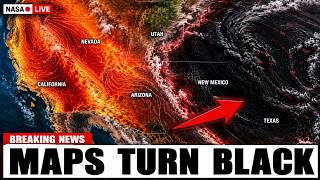
Understanding Extreme Heat Warning Maps
Extreme heat warning maps serve as critical tools for communities preparing for dangerous summer temperatures. These visual displays help residents understand when and where the most severe heat events are expected to occur. The maps typically use color-coded systems to show varying levels of heat risk, from moderate concern to extreme danger.The primary purpose of these heat warning systems is to provide advance notice so that individuals, families, and communities can take protective actions. When temperatures are expected to reach dangerous levels, residents can prepare by staying hydrated, avoiding outdoor activities during peak heat hours, and checking on vulnerable neighbors.
How Heat Risk Assessment Tools Work
Modern heat risk assessment tools combine multiple data sources to create comprehensive warning maps. Temperature forecasts, humidity levels, time of day, and even urban heat island effects are factored into these calculations. This approach recognizes that heat-related danger isn't just about high temperatures—it's about the combination of factors that make conditions life-threatening.These tools often incorporate real-time weather data and predictive modeling to generate accurate risk assessments. The information is then displayed through clear visual interfaces that communicate urgency effectively to the public.
The Connection Between Heat and Power Outages
Extreme heat events frequently coincide with power outage risks, creating a dangerous feedback loop. When temperatures soar, air conditioning systems work harder than ever, significantly increasing electricity demand across entire regions. This surge in power consumption can overwhelm electrical grids, leading to rolling blackouts or even widespread outages.The relationship between heat and power failures becomes particularly concerning during heat waves that last multiple days. Extended outages during extreme heat events can be life-threatening, especially for elderly residents, young children, and those with health conditions.
Vulnerable Infrastructure During Heat Events
Aging power infrastructure faces additional stress during extreme heat. Transmission lines can sag or fail due to thermal expansion, while substations may overheat and malfunction. These failures become more likely when the power grid is already operating near capacity due to widespread air conditioning use.Communities that experience frequent extreme heat events must prioritize upgrading electrical infrastructure to handle peak summer demand. This includes implementing smart grid technologies and having adequate backup power systems in place.
Preparing for Dual Threats
Residents in heat-prone areas should develop comprehensive preparedness plans that address both temperature risks and potential power failures. This includes having alternative cooling methods available, such as battery-powered fans or portable air conditioners, and knowing emergency cooling centers in the community.Creating a heat emergency kit is essential and should include plenty of water, non-perishable foods, medications, and battery-powered communication devices. Residents should also identify neighbors who might need assistance during extreme heat events, particularly those who may be home alone or have mobility challenges.
Community-Level Preparedness Measures
Local governments and utilities play a crucial role in protecting residents during extreme heat events. Many communities establish cooling centers in public buildings like libraries and community centers during heat warnings. Some utilities implement voluntary or mandatory rolling blackouts to prevent total grid failure, but these measures can still leave some residents without power when they need it most.Investing in tree planting programs and reflective roofing materials can help reduce urban heat island effects, making cities more resilient to extreme temperature events. These long-term strategies complement immediate emergency response measures.
Staying Informed During Heat Emergencies
Monitoring official weather sources and utility websites provides the most reliable information during extreme heat events. Local emergency management agencies often provide real-time updates about power outage status and available resources. Many utilities offer text alerts or mobile apps that notify customers about outages and expected restoration times.It's important to recognize that heat-related illness symptoms can be severe and require immediate medical attention if they occur. Understanding warning signs like heat exhaustion and heat stroke can save lives when combined with appropriate action.