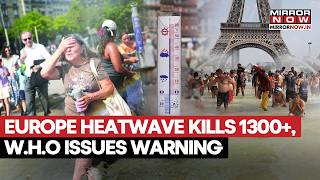
Extreme Heat Warning Germany: A Dangerous Heatwave Spreads Across the Country
Germany is currently under an extreme heat warning as a dangerous heatwave sweeps across the nation, bringing with it record-breaking temperatures and serious health risks for residents and visitors alike. The German Weather Service DWD has issued a red alert for much of the country, indicating that life-threatening conditions are expected to develop within days.
Forecasted Temperatures and Meteorological Conditions
Authorities predict that daytime temperatures will soar between 38 to 42 degrees Celsius (100 to 108 degrees Fahrenheit) in western and central Germany, with some regions in the southwest potentially reaching even higher readings. The heatwave is being driven by a persistent high-pressure system that is trapping hot air masses over the region.
The combination of high humidity levels and intense solar radiation is creating dangerous "heat index" values that can rapidly lead to heat exhaustion and heat stroke, particularly during peak afternoon hours when outdoor activity should be minimized.
Health Risks and Vulnerable Populations
The extreme heat poses significant health threats, especially to elderly individuals, young children, those with pre-existing medical conditions, and people working in outdoor occupations. The DWD warns that prolonged exposure to temperatures above 35 degrees Celsius can be fatal without proper precautions.
Heat-related illnesses can develop quickly and may not show obvious symptoms until serious damage has occurred. Symptoms include dizziness, nausea, rapid heartbeat, confusion, and loss of consciousness. The elderly are particularly vulnerable as their bodies struggle to regulate temperature effectively.
Public Health Recommendations
Health officials across Germany are urging citizens to take immediate action to protect themselves and others. Key recommendations include:
- Stay hydrated by drinking water regularly, even when not thirsty
- Avoid outdoor activities during peak heat hours between 11 a.m. and 4 p.m.
- Seek air-conditioned spaces during the hottest part of the day
- Check on elderly neighbors, relatives, and friends
- Never leave children or pets in parked vehicles
- Wear lightweight, loose-fitting clothing
Hospitals and medical facilities are preparing for increased patient volumes, particularly for cases related to heat stress and cardiovascular complications exacerbated by the heat.
Official Responses and Measures
State governments have activated emergency response protocols in coordination with federal agencies. Cooling centers have been established in public buildings, libraries, and community centers throughout major cities including Berlin, Munich, Frankfurt, and Hamburg.
Public transportation authorities are adjusting schedules to provide more frequent service during cooler morning and evening hours, while encouraging commuters to travel during off-peak times to reduce exposure to direct sunlight on platforms and in vehicles.
Schools and universities in affected regions have implemented modified schedules, with indoor activities prioritized during peak heat hours and increased water access for students and staff.
Impact on Daily Life and Work
The extreme heat is disrupting normal daily routines across Germany. Outdoor workers are being required to take mandatory breaks in shaded or air-conditioned areas, with some construction and agricultural projects temporarily suspended during peak heat periods.
Retail establishments are adapting by extending operating hours for air-conditioned spaces and promoting cold refreshments. Restaurant owners are adjusting menus to feature lighter, hydrating food options while some establishments are installing temporary cooling solutions.
Recreational facilities including swimming pools, water parks, and fountains are experiencing high attendance as families seek relief from the heat. Cities are expanding access to these facilities through extended hours and special events.
Long-term Climate Context
While Germany has experienced heatwaves before, climatologists note that the current event is part of an accelerating trend of more frequent and intense summer heat across Europe. Scientists link this pattern to broader climate changes, suggesting that such extreme heat events may become more common without significant reductions in greenhouse gas emissions.