Understanding Extreme Heat Warnings and Pet Vulnerability
When extreme heat warnings are issued, pets face significant health risks that many owners underestimate. Unlike humans, animals cannot easily regulate their body temperature through sweating. Dogs rely primarily on panting and limited sweating through their paw pads, making them particularly susceptible to heat-related illnesses. Cats, with their minimal ability to sweat at all, face even greater dangers during temperature spikes. Understanding these vulnerabilities is the first step in protecting your animal companions.
Recognizing Heat-Related Illness in Animals
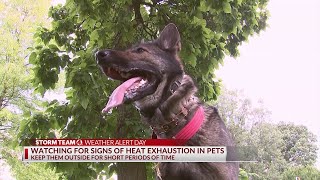
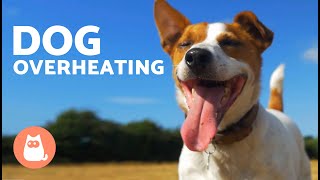
Pets can develop several dangerous conditions during extreme heat events. Heat exhaustion occurs when the body's temperature regulation fails, leading to excessive panting, drooling, vomiting, and weakness. Heat stroke is more severe and potentially fatal, causing red or purple gums, collapse, seizures, and organ failure. Signs to watch for include excessive panting that doesn't subside, weakness, disorientation, and reluctance to move. Pets may also show signs of distress through whining, pacing, or seeking cooler areas.
Immediate Actions During Heat Emergencies
If you notice your pet showing signs of heat-related illness, immediate action is crucial. Move the animal to a cooler location and provide shade. Offer small amounts of water frequently, but avoid forcing large quantities at once. Apply cool (not cold) water to the body using a wet towel or sponge, focusing on the neck, chest, and paws. Do not use ice baths, as rapid temperature changes can worsen the condition. Contact emergency veterinary services immediately, as heat-related illnesses require professional medical intervention.
Creating Safe Indoor Environments
Protecting pets during extreme heat requires proactive measures. Keep indoor temperatures as cool as possible using air conditioning or fans. Close blinds or curtains on sun-exposed windows to reduce heat buildup. Never leave pets in vehicles during hot weather, even for short periods. Temperatures in parked cars can rise rapidly, reaching dangerous levels within minutes. Provide fresh, clean water at all times and consider using cooling mats or vests designed for pets.
Outdoor Safety Guidelines During Heat Waves
If outdoor activity is necessary, timing becomes critical. Avoid walks or playtime during peak heat hours, typically between 10 a.m. and 4 p.m. Choose early morning or evening hours when temperatures are lower. Walk pets on grass rather than hot pavement, which can cause burns to paw pads. Bring water for both yourself and your pet on any outdoor excursions. Consider shortening walks significantly and watching for signs of discomfort immediately.
Breed and Age-Specific Risk Factors
Certain pets face higher risks during extreme heat events. Brachycephalic breeds with flat faces, such as Bulldogs and Pugs, have breathing difficulties that worsen in heat. Puppies and senior pets have less efficient temperature regulation systems. Heavy-coated animals also struggle more with heat management. Athletic breeds that generate more body heat during activity need extra protection. Recognize that these factors may require additional precautions beyond standard safety measures.
Long-Term Prevention Strategies
Beyond immediate emergency response, developing long-term prevention strategies helps protect pet health. Establish a relationship with an emergency veterinary clinic that offers extended hours during summer months. Keep a pet first aid kit readily available with items like cooling gel packs and electrolyte solutions. Train pets to respond to commands that help manage heat stress, such as "sit" or "down" to reduce exertion. Consider consulting with your veterinarian about preventive medications or special accommodations for high-risk animals.
Community Resources and Emergency Planning
Develop a comprehensive emergency plan that includes your pets. Know the location of nearby veterinary emergency services and their contact information. Some communities maintain lists of pet-friendly cooling centers during extreme heat events. Register your pets with local animal services so they can be identified as owned animals during emergencies. Ensure all family members and pet sitters understand the signs of heat-related illness and the appropriate response procedures.