Does Puerto Rico Have Water Problems?
Puerto Rico, a beautiful Caribbean island and U.S. territory, faces significant challenges when it comes to its water supply. While not a constant crisis across the entire island, residents frequently grapple with issues related to water access, quality, and infrastructure, especially during drier periods or after major weather events.
Aging Infrastructure and Leaks
One of the most persistent problems contributing to water scarcity in Puerto Rico is its aging and often neglected water infrastructure. Decades of underinvestment have led to a network of pipes that are prone to frequent breaks and leaks. These leaks result in a substantial loss of treated water before it even reaches consumers. Estimates suggest that a significant percentage of the water produced by the Puerto Rico Aqueduct and Sewer Authority (PRASA) is lost due to these aging systems. This not only wastes a precious resource but also increases the cost of water delivery, which is ultimately passed on to residents.
The constant need for repairs and the inability to replace vast sections of the old piping create a cycle of intermittent service for many communities. Residents might experience water outages for days or even weeks at a time, forcing them to rely on stored water, expensive bottled water, or water trucks provided by the government or aid organizations.
Drought and Climate Change
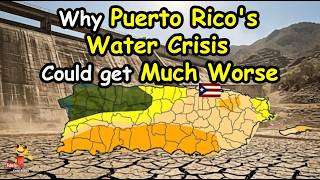
Like many regions globally, Puerto Rico is susceptible to the impacts of drought, which can be exacerbated by climate change. While the island does receive substantial rainfall annually, the distribution is not always consistent. Prolonged dry spells can significantly deplete the water levels in reservoirs that supply the island's population. When reservoirs run low, PRASA is often forced to implement water rationing measures, further restricting access for households and businesses.
The increasing intensity and unpredictability of weather patterns, including potential shifts in rainfall, mean that drought conditions could become more frequent or severe in the future. This necessitates a long-term strategy for water management that accounts for climate variability and promotes water conservation.
Impact of Natural Disasters
Puerto Rico's location in the hurricane belt makes it vulnerable to powerful storms. Major hurricanes, such as Hurricane Maria in 2017, have had devastating and long-lasting impacts on the island's water systems. The high winds and torrential rain can damage water treatment plants, break water mains, and contaminate water sources with debris and saltwater. The recovery from such widespread damage is often slow and complex, leaving many communities without reliable access to clean water for extended periods.
Even smaller storms or tropical depressions can disrupt water services due to flooding and power outages, which are critical for the operation of water pumps and treatment facilities. The resilience of the water infrastructure to these recurring natural events remains a significant concern.
Water Quality Concerns
Beyond just access, water quality is another area of concern for Puerto Ricans. Aging pipes can leach contaminants into the water supply, and inadequate maintenance of treatment plants can lead to issues with the purification process. Residents in some areas have reported concerns about the taste, odor, and appearance of their tap water, leading to distrust in its safety. This often prompts individuals to purchase bottled water, adding to household expenses and generating significant plastic waste.
Ensuring that water treatment plants meet modern standards and that the distribution system does not introduce contaminants is an ongoing challenge for PRASA and environmental agencies.
Efforts and Solutions
Addressing Puerto Rico's water problems requires a multi-faceted approach. Significant investments are needed to upgrade and modernize the water infrastructure, replacing old pipes and improving the efficiency of treatment plants. Federal funding, particularly in the aftermath of natural disasters, has been crucial for these repair and upgrade efforts, but sustained commitment is necessary.
Water conservation initiatives are also vital. Educating the public on water-saving practices, promoting the use of water-efficient appliances, and implementing tiered water pricing structures can help reduce overall demand. Furthermore, exploring alternative water sources, such as desalination or rainwater harvesting, could provide greater resilience against drought and supply disruptions.
Finally, transparency and accountability in the management of water resources are essential. Residents need to have confidence in the agencies responsible for their water supply and be informed