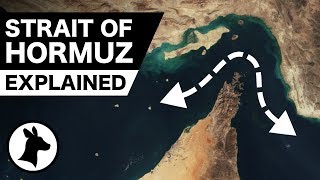
Definition Of Strait Of Hormuz
The Strait of Hormuz is a strategically vital waterway that connects the Persian Gulf with the Gulf of Oman and the Arabian Sea. Geographically, it serves as the sole maritime exit and entry point for the Persian Gulf, making it one of the most important chokepoints in the global shipping industry. At its narrowest point, the strait is approximately 21 miles wide, though the actual shipping lanes used by massive oil tankers are much narrower, consisting of two-mile-wide channels for inbound and outbound traffic.
Because of its unique geography, the strait is bordered by Iran to the north and Oman and the United Arab Emirates to the south. This positioning places the waterway at the center of complex geopolitical dynamics, as the nations bordering the strait maintain significant influence over the flow of international trade through these waters.
The Economic Significance of the Strait
The primary reason the Strait of Hormuz is discussed in global economic and political circles is its role in the energy market. A vast majority of the world's liquefied natural gas (LNG) and a significant percentage of the global crude oil supply pass through this narrow corridor daily. Oil produced in countries such as Saudi Arabia, Iraq, Kuwait, and the United Arab Emirates must transit the strait to reach international markets in Asia, Europe, and North America.
Due to this heavy reliance on a single passage, any disruption to the flow of traffic can have immediate and severe consequences for the global economy. When tensions rise in the region, markets often react with volatility, leading to swings in oil prices. The prospect of a blockade or an increase in maritime insecurity creates uncertainty for refineries and consumers worldwide, highlighting the strait's status as a critical vulnerability in the global energy supply chain.
Geopolitical Tensions and Security
The Strait of Hormuz is frequently a flashpoint for international conflict. Because the shipping lanes pass through the territorial waters of coastal states, the region is subject to intense surveillance and military presence. Tensions often flare between the United States and Iran, with the latter occasionally threatening to close the strait in response to diplomatic disputes or economic sanctions.
Security concerns in the strait often manifest in several ways:
- Maritime Interdictions: The seizure of tankers or commercial vessels as a means of political leverage.
- Mine Warfare: The deployment of naval mines to deter shipping or target specific vessels.
- Military Posturing: The presence of naval fleets and aircraft carriers intended to ensure the "freedom of navigation" for international trade.
These frictions are often symptoms of broader regional rivalries. For instance, the ongoing friction between Iran and other regional powers, as well as the influence of Western nations seeking to secure energy imports, ensures that the strait remains a high-security zone.
Legal Status and International Law
The legal status of the Strait of Hormuz is a subject of ongoing debate among international lawyers and diplomats. Under the United Nations Convention on the Law of the Sea (UNCLOS), ships are generally granted the right of "transit passage," which allows vessels to move through straits used for international navigation without interference from the coastal states, provided they proceed without delay.
However, the application of these laws is complicated by the fact that not all bordering nations have ratified the same treaties. Some nations argue that the right of passage is conditional upon the security requirements of the coastal state, while other nations insist that the strait must remain an open international waterway regardless of political disputes. This legal ambiguity adds another layer of complexity to the management of the waterway.
Conclusion
In summary, the Strait of Hormuz is far more than a simple geographic feature; it is a critical artery for the global economy. By defining the bridge between the resource-rich Persian Gulf and the rest of the world, it holds the power to influence global energy prices and dictate the pace of international diplomacy. As long as the world remains dependent on oil and gas from the Middle East, the security and openness of the Strait of Hormuz will remain a top priority for global superpowers and regional governments alike.