What Is Copyright and Why It Matters
Copyright is a legal right that protects original works of authorship, such as music, videos, books, and software. The creator automatically receives exclusive control over copying, distributing, performing, and creating derivative works. This protection encourages creativity by ensuring creators can earn a return on their investment of time and talent.
Key Elements of Copyright Protection
For a work to be eligible for copyright, it must meet three basic criteria:
- Originality – The work must be the result of the creator’s own skill and judgment.
- Fixation – The expression must be recorded in a tangible form, such as a digital file or a printed page.
- Creative Expression – Ideas alone are not protected; the specific way they are expressed is.
How Copyright Applies to Online Platforms
Most digital services – from streaming sites like Gaana and iTunes to social media platforms – rely on copyright law to manage the rights of millions of creators. When you stream a song on Gaana or download a track from iTunes, you are accessing content that is licensed by the platform. The platform pays royalties to the rights holders, and you receive a legal right to listen or keep a personal copy.
Copyright on YouTube
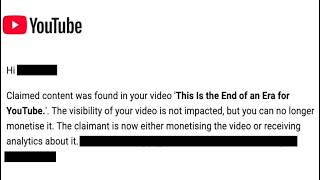
YouTube uses a system called Content ID to match uploaded videos against a database of copyrighted material. If a match is found, the copyright owner can choose to:
- Monetize the video by running ads.
- Block the video in certain regions or worldwide.
- Track viewership statistics without taking any action.
Creators who receive a copyright claim can dispute it if they believe they have a valid exception, such as a license or a fair‑use argument. However, disputes that are not resolved may lead to strikes, which can affect a channel’s standing on the platform.
Common Misconceptions About Copyright
Many creators assume that any content found online is free to use. This is not true. Even short clips, background music, or images can be protected. The following points clarify frequent misunderstandings:
- Finding a video on a public platform does not grant permission to reuse it.
- “Fair use” is a limited defense that depends on purpose, nature, amount used, and effect on the market.
- Copyright expires after a set period (typically the life of the author plus 70 years in many jurisdictions).
Fair Use: When You Can Use Copyrighted Material
Fair use is a legal doctrine that allows limited use of copyrighted works without permission, especially for commentary, criticism, news reporting, teaching, or research. To evaluate fair use, courts consider four factors:
- The purpose and character of the use (commercial vs. nonprofit, transformative).
- The nature of the copyrighted work (published vs. unpublished).
- The amount and substantiality of the portion used.


![12 Hours of Free Background Music - Copyright Free Music for Creators and Streamers [April Edition]](https://i.ytimg.com/vi/FNb1i7G6sPk/mqdefault.jpg)