The Significance of Chinese New Year Holiday
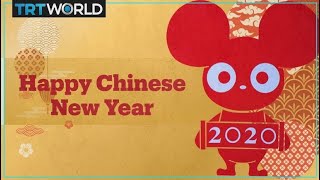
Chinese New Year, also known as Spring Festival, stands as the most important traditional holiday for Chinese people around the world. This celebration represents more than just a festive occasion; it embodies the cultural identity and spiritual beliefs of Chinese civilization that have been passed down through centuries.
Origins and Cultural Meaning
The holiday traces its roots to ancient agricultural societies where communities prayed for good harvests and abundant wildlife. What began as a seasonal observance evolved into a comprehensive festival celebrating renewal, family unity, and hope for prosperity. The concept of xin, or new beginnings, remains central to the observance.
The Chinese Zodiac Connection
Chinese New Year is intimately connected to the 12-year animal cycle that forms the foundation of Chinese astrology. Each year in this cycle is represented by a different zodiac animal, creating a rotating pattern that influences how people plan their lives and activities. The rabbit and dragon are considered particularly auspicious signs within this system, often bringing special attention and favorable circumstances to those born under their influence.
Traditional Celebrations and Customs
Families gather together for elaborate feasts featuring symbolic foods that represent various blessings. Dumplings shaped like ancient gold ingots bring wishes for wealth, while fish represents abundance since its Chinese name sounds similar to the word for "surplus." Red decorations, couplets, and lanterns fill homes with auspicious energy.
The period extends beyond a single day, typically encompassing 15 days of celebrations culminating in the Lantern Festival. During this time, people visit relatives, exchange gifts, and participate in community activities that reinforce social bonds.
Modern Observances and Global Impact
In contemporary times, Chinese New Year has gained international recognition as cities worldwide host spectacular parades, fireworks displays, and cultural exhibitions. The holiday's influence extends beyond ethnic Chinese communities, attracting tourists and locals alike who wish to experience this rich tradition.
Major cities like Shanghai, Beijing, and Hong Kong organize world-famous celebrations that showcase traditional performances, street markets, and spectacular light shows. The economic impact is significant, with millions of people traveling long distances to participate in family gatherings and community events.
Regional Variations and Local Traditions
Different regions of China and various Chinese diaspora communities maintain unique customs while observing the same fundamental principles. In some areas, specific foods are prepared, while others emphasize particular games or rituals passed down through generations.
Southern provinces often feature more elaborate food preparations, whereas northern regions might emphasize dumpling-making competitions. Ethnic minorities within China may blend their own cultural practices with mainstream observances, creating fascinating fusion traditions.
Commercial Aspects and Economic Significance
The Chinese New Year period generates enormous economic activity, from travel and tourism to retail sales of decorations, gifts, and special foods. Millions of people begin the massive migration to urban centers and rural hometowns simultaneously, creating one of the world's largest annual human movements.
Businesses adjust their operations to accommodate the holiday schedule, with many closing for extended periods. Financial institutions and government offices often operate on modified schedules that reflect the multi-day nature of the celebration.
Modern Challenges and Adaptations
In our interconnected world, traditional observances continue to evolve while maintaining their essential character. Digital red envelopes replace physical money transfers, and virtual family gatherings supplement in-person meetings when distance prevents traditional reunions.
Environmental concerns have led to innovations in celebration methods, with many communities adopting more sustainable practices for fireworks displays and decorations. These adaptations demonstrate the holiday's ability to maintain relevance while addressing contemporary needs.
Conclusion
Chinese New Year Holiday represents a remarkable fusion of ancient traditions and modern adaptations. Whether observed in bustling metropolitan areas or quiet rural villages, this celebration continues to serve as a powerful reminder of the values that unite Chinese communities across generations and geographical boundaries.