Understanding the Lunar Cycle and the Chinese New Year Calendar
The Chinese New Year, often referred to as the Lunar New Year or the Spring Festival, is a celebration deeply rooted in a lunisolar calendar. Unlike the Gregorian calendar, which is based solely on the solar cycle, the traditional Chinese system tracks both the phases of the moon and the position of the sun. This dual-tracking method is why the date of the New Year shifts every year, typically falling between January 21 and February 20.
To understand the rhythm of this calendar, one must look at the moon. A lunar month begins with the new moon, and a full cycle of twelve lunar months is shorter than a standard solar year. To ensure the seasons remain consistent, the Chinese calendar incorporates an occasional leap month. This adjustment keeps the calendar synchronized with the solar year, ensuring that the festival always aligns with the arrival of spring in the Northern Hemisphere.
The Significance of the Zodiac Cycle
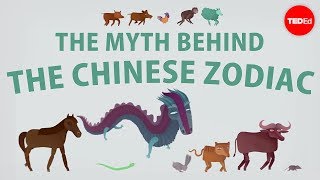
A central feature of the Chinese New Year calendar is the repeating twelve-year cycle, with each year represented by a specific animal. These twelve animals—the Rat, Ox, Tiger, Rabbit, Dragon, Snake, Horse, Goat, Monkey, Rooster, Dog, and Pig—rotate in a fixed sequence. The transition from one animal to the next is a major cultural milestone, marking a period of reflection and anticipation for the coming twelve months.
Many people consult the calendar not just to track dates, but to understand the characteristics associated with the presiding zodiac sign. Each animal is believed to carry unique traits, and these are often discussed in the context of what they might bring to the year ahead. While the calendar serves as a practical tool for scheduling, it also functions as a cultural compass, connecting generations through shared traditions and beliefs regarding the influence of these symbols.
How the Calendar Influences Traditions
Because the Chinese New Year calendar dictates the timing of the most important holiday in Chinese culture, it serves as the foundation for massive societal planning. The festival period is traditionally marked by a fifteen-day sequence of celebrations, starting on the first day of the first lunar month and concluding with the Lantern Festival on the fifteenth day.
The calendar provides the structure for essential customs such as family reunions, the cleaning of homes to sweep away bad luck, and the preparation of specific symbolic foods. By following the lunar dates, families across the globe coordinate their travel and celebrations to ensure they are together during the transition into the new lunar year. The precision of the calendar allows for long-term planning, as the dates for future years are calculated well in advance, enabling communities to prepare for the festivities with consistency.
The Evolution of the Calendar in Modern Times
In contemporary society, the traditional Chinese calendar continues to coexist with the Gregorian calendar. Most people use the Gregorian system for daily business and administrative tasks, but they refer to the lunisolar calendar specifically for cultural and religious observance. This dual-system approach is a testament to the resilience of cultural heritage in an increasingly globalized world.
Digital tools and modern technology have made it easier than ever to reference the Chinese New Year calendar. Today, individuals can quickly find the exact date of the New Year for years to come, allowing for better logistical coordination. Despite these technological advancements, the core purpose of the calendar remains the same: to mark the passage of time in harmony with the natural world and to provide a framework for honoring traditions that have been passed down for centuries.
Planning Your Future with the Lunar Cycle
For those looking to engage with the Chinese New Year, the first step is always checking a reliable calendar. Whether you are interested in the specific animal sign of a particular year or simply want to know when the festivities begin, the calendar is an indispensable resource. It serves as a reminder that time is not just a linear progression of dates, but a cycle that connects us to the cycles of the moon and the changing of the seasons.
As you look toward future dates, consider the historical and cultural depth behind each calculation. The Chinese New Year calendar is more than just a list of days; it is a sophisticated system that reflects a profound connection to nature and